
chevy 5 speed manual transmission
Chevy 5-Speed Manual Transmission: A Comprehensive Overview
Unfortunately‚ current website limitations prevent detailed information access․ The site is experiencing resource constraints‚ hindering a thorough overview at this moment․
Please revisit later for a complete exploration of Chevy’s iconic 5-speed manual transmissions and their rich history․
The Chevy 5-speed manual transmission represents a pivotal era in automotive engineering‚ offering drivers a more engaging and efficient driving experience compared to earlier options․ These transmissions became particularly popular during the muscle car boom and continued to evolve through subsequent decades‚ finding their way into a diverse range of Chevrolet vehicles․
Initially‚ these 5-speeds provided a significant upgrade in fuel economy and control‚ allowing for better acceleration and highway cruising․ The shift from 3- and 4-speed manuals was a game-changer‚ appealing to enthusiasts seeking a more connected feel with their cars․ Different models‚ like the Muncie and later the T5‚ each brought unique characteristics to the table․
Understanding the nuances of these transmissions – their strengths‚ weaknesses‚ and identifying features – is crucial for classic car owners‚ restorers‚ and anyone interested in the mechanical heart of these iconic vehicles․ This overview will delve into the specifics‚ providing a comprehensive guide to the world of Chevy 5-speed manuals․
Historical Context & Common Applications
The introduction of 5-speed manual transmissions by Chevrolet wasn’t an overnight revolution‚ but rather a gradual evolution responding to market demands and technological advancements․ Early applications emerged in the late 1960s‚ gaining traction throughout the 1970s and 80s as fuel efficiency became a greater concern․
Initially‚ these transmissions were frequently paired with Chevrolet’s small-block and big-block V8 engines‚ finding homes in popular models like the Camaro‚ Corvette‚ and Chevelle․ They offered a more refined driving experience‚ particularly for performance-oriented drivers․ Later‚ they expanded into more mainstream vehicles like the Nova‚ and even some trucks and S-10 pickups․
The demand for a 5-speed grew as drivers sought better control and responsiveness‚ especially in performance applications․ Chevrolet’s commitment to offering these transmissions reflected a desire to cater to a broader range of driving preferences‚ blending performance with practicality․ This period solidified the 5-speed’s place in Chevy’s history․
The Muncie M22 & M21: Rock Crusher & Close Ratio
The Muncie M22‚ famously known as the “Rock Crusher‚” and the M21 represent the cornerstone of early Chevy 5-speed performance․ Produced by Muncie Gear‚ these transmissions gained legendary status for their durability and distinct feel․ The M22 featured heavier-duty components‚ designed to withstand the rigors of high-performance applications and aggressive shifting․

The defining characteristic of the M22 was its wide-ratio configuration‚ offering a substantial first gear for strong acceleration‚ coupled with a taller fifth gear for comfortable highway cruising․ Conversely‚ the M21 provided a closer-ratio setup‚ prioritizing quicker acceleration and more consistent power delivery throughout the gears․
Both transmissions were highly sought after by muscle car enthusiasts‚ becoming synonymous with raw power and a visceral driving experience․ Their robust construction and reliable performance cemented their place in automotive history‚ continuing to be prized by collectors and restorers today․
Identifying a Muncie Transmission
Pinpointing a Muncie transmission requires careful observation of several key identifiers․ The case itself is a primary clue; Muncie cases typically feature a specific casting number located on the main housing․ However‚ casting numbers alone aren’t definitive‚ as they can be shared across different models․
A crucial indicator is the tailshaft housing․ Early Muncies often have a shorter tailshaft compared to later versions․ Examining the shift linkage is also helpful; Muncie transmissions utilize a unique linkage design․ Furthermore‚ the input shaft length differentiates between various applications․
Decoding the transmission’s date code is essential․ This code‚ stamped on the case‚ reveals the production date‚ aiding in verifying authenticity․ Online resources and Muncie transmission guides provide detailed information on interpreting these codes․ Careful attention to these details ensures accurate identification of these legendary gearboxes․
The T5 Transmission: A Modern Upgrade
The Borg-Warner T5 represented a significant leap forward in Chevy 5-speed technology‚ offering improved strength and efficiency․ Introduced in the 1980s‚ it quickly became a popular upgrade for enthusiasts seeking a more modern driving experience․ Unlike the earlier Muncie transmissions‚ the T5 utilized lighter materials and a more refined internal design․
This resulted in smoother shifts and reduced noise levels․ The T5 also boasted a wider range of available gear ratios‚ allowing for greater customization to suit different vehicle applications and driving styles․ Its increased durability made it well-suited for higher horsepower engines․
The T5’s adoption extended beyond factory installations‚ becoming a favored choice for swap projects due to its relative ease of installation and readily available parts․ It offered a compelling blend of performance‚ reliability‚ and affordability‚ solidifying its place in Chevy performance history․
T5 Variations: Borg-Warner & Ford Versions in Chevys
While originally a Borg-Warner design‚ the T5 transmission saw widespread adoption by Ford‚ leading to variations commonly found in Chevy applications․ Identifying these differences is crucial for proper installation and parts sourcing․ Early T5s‚ often referred to as “World Class” T5s‚ featured 26 spline input and output shafts‚ suitable for many Chevy engines․
Later Ford T5s utilized a 31-spline output shaft‚ requiring a different driveshaft or output flange adaptation for Chevy swaps․ Internal components also varied between Borg-Warner and Ford versions‚ impacting gear ratios and overall strength․ Careful consideration must be given to the specific T5’s origin․
Understanding these nuances ensures compatibility and optimal performance․ Enthusiasts often seek specific T5 variants based on their intended use‚ prioritizing either the Borg-Warner’s initial design or the Ford’s later enhancements․ Correct identification prevents costly mistakes during modifications․
Gear Ratios: Understanding the Numbers
Gear ratios within a Chevy 5-speed dictate the trade-off between acceleration and cruising RPM․ First gear provides maximum torque for launch‚ while fifth gear offers lower engine speeds for highway efficiency․ Common ratios vary depending on the transmission model – Muncie‚ T5‚ or their specific iterations․
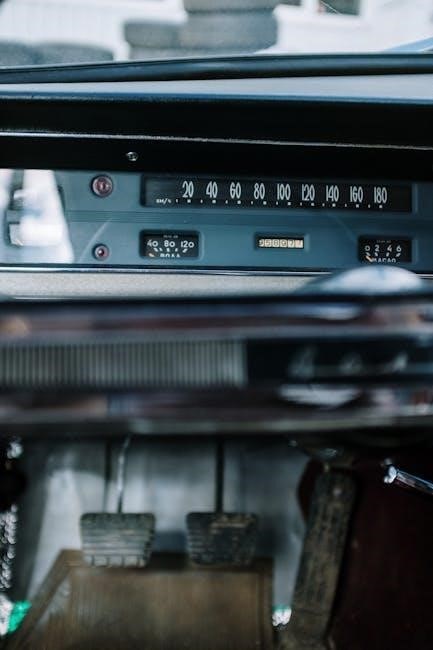
A lower numerical ratio (e․g․‚ 3․08:1) in a final drive or a higher gear within the transmission results in lower engine RPM at a given speed‚ favoring fuel economy․ Conversely‚ a higher numerical ratio (e․g․‚ 4․10:1) increases engine RPM‚ boosting acceleration but reducing fuel efficiency․
Matching gear ratios to the engine’s characteristics and intended use is vital․ A high-performance engine benefits from steeper ratios‚ while a daily driver prioritizes comfortable cruising․ Understanding these relationships allows for optimized performance and a tailored driving experience․
Common Problems & Failure Points
Chevy 5-speed manual transmissions‚ while robust‚ exhibit common wear patterns over time․ Frequent issues stem from aggressive shifting or lack of maintenance‚ leading to internal component fatigue․ Identifying these problems early can prevent catastrophic failure and costly repairs․
Worn synchronizers are a frequent complaint‚ manifesting as grinding during gear changes‚ particularly into second or third gear․ Bent shift forks can result from forceful shifting‚ causing difficulty selecting gears or a complete inability to engage certain ratios;
Damaged gears‚ often due to improper lubrication or excessive stress‚ produce loud noises during operation․ Bearing failures also contribute to noise and vibration․ Regular fluid checks and prompt attention to unusual sounds are crucial for longevity․ Ignoring these symptoms will inevitably lead to a complete transmission breakdown․
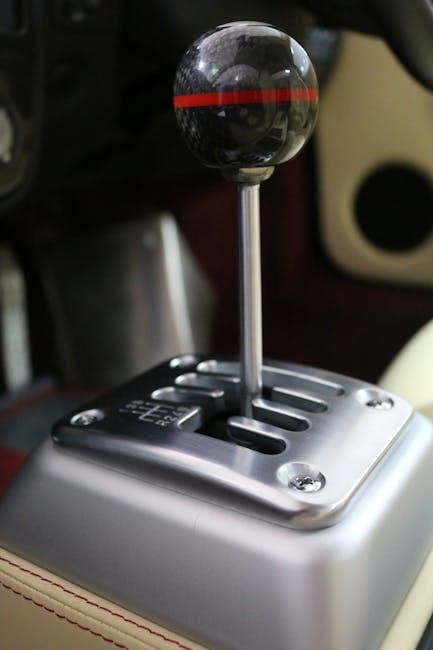
Worn Synchronizers
Synchronizers are critical components within a Chevy 5-speed‚ responsible for matching the engine and transmission speeds before gear engagement․ Over time‚ these brass or carbon-fiber components experience wear due to friction during shifting‚ leading to diminished performance․
The primary symptom of worn synchronizers is grinding during gear changes‚ most commonly noticed when shifting into second or third gear․ This occurs because the synchronizer can no longer effectively equalize speeds‚ causing the gears to clash․ Double-clutching can temporarily mitigate the issue‚ but it’s a sign of impending failure․
Severity ranges from a slight grind to a pronounced‚ metallic scraping sound․ Continued operation with worn synchronizers accelerates wear on the gears themselves․ Replacement typically involves a transmission rebuild‚ as access requires disassembly․ Ignoring this issue will eventually result in complete inability to shift smoothly․
Bent Shift Forks
Shift forks are crucial levers within the Chevy 5-speed transmission‚ responsible for physically engaging the gears․ Constructed from steel‚ they are susceptible to bending under stress‚ particularly from aggressive shifting or prolonged wear․ A bent shift fork prevents complete gear engagement‚ leading to frustrating and potentially damaging issues․
Symptoms of bent shift forks include difficulty selecting certain gears‚ often feeling “soft” or imprecise․ You might experience gears popping out of engagement‚ especially under acceleration or deceleration․ A common indicator is a noticeable looseness in the shifter feel․
Diagnosis requires transmission disassembly for visual inspection․ Even a slight bend can cause significant problems․ Replacement is necessary‚ and it’s often recommended to replace all shift forks simultaneously‚ as the others may be weakened․ Ignoring a bent fork can lead to further damage to the gears and synchronizers‚ escalating repair costs․
Damaged Gears
Gear damage within a Chevy 5-speed transmission is a serious issue‚ often stemming from abuse‚ lack of lubrication‚ or the failure of other components like synchronizers․ Worn or broken gear teeth create noise‚ vibration‚ and ultimately‚ a loss of functionality․
Symptoms include whining‚ grinding‚ or clunking sounds‚ particularly during gear changes or while driving at certain speeds․ Difficulty shifting‚ especially into specific gears‚ is another telltale sign․ Metal shavings in the transmission fluid are a clear indication of internal gear damage․
Diagnosis requires complete transmission disassembly and meticulous inspection of each gear․ Chips‚ cracks‚ or excessive wear necessitate replacement․ Often‚ damaged gears require replacing the entire gear set to ensure proper meshing and longevity․ Addressing gear damage promptly prevents catastrophic failure and avoids further‚ more expensive repairs․ Ignoring it can lead to complete transmission lockup․
Rebuilding a Chevy 5-Speed: Overview
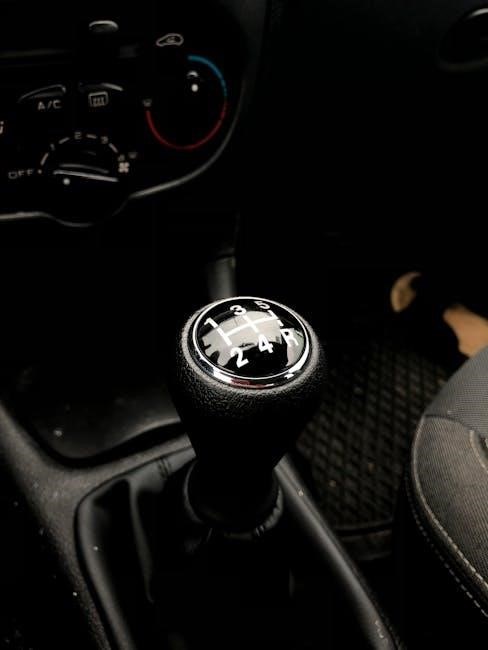
Rebuilding a Chevy 5-speed manual transmission is a complex undertaking‚ best suited for experienced mechanics‚ but achievable for dedicated enthusiasts with the right tools and resources․ The process begins with complete disassembly‚ carefully documenting the location of each component․
Thorough cleaning of all parts is crucial‚ removing old lubricant and debris․ Inspection follows‚ identifying worn or damaged components like gears‚ synchronizers‚ bearings‚ and seals․ These are then replaced with new or refurbished parts․ Bearing installation requires specialized tools to avoid damage․
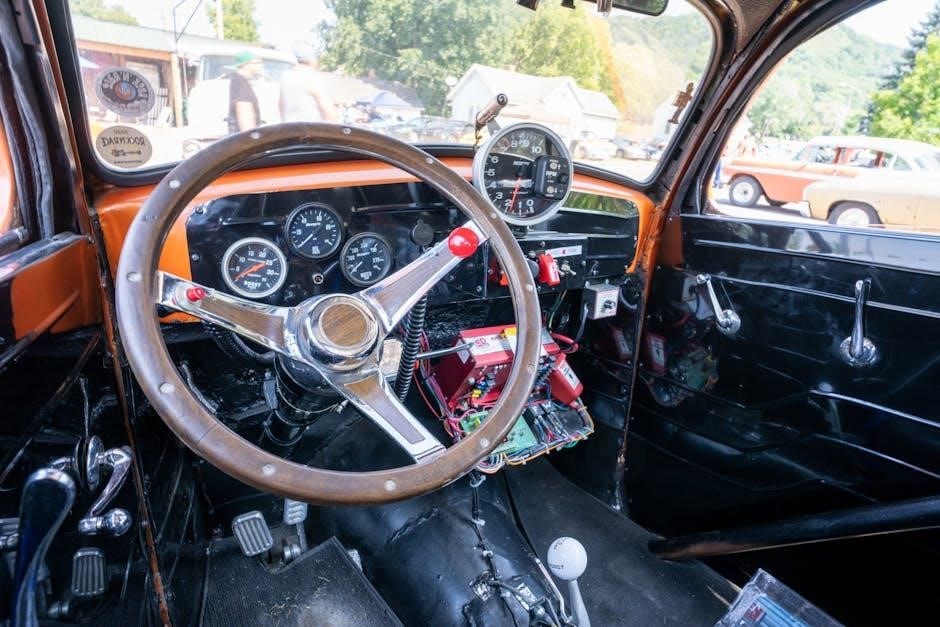
Reassembly demands meticulous attention to detail‚ following a precise sequence and utilizing appropriate lubricants․ Proper endplay and backlash adjustments are critical for smooth operation and longevity․ A final inspection and testing phase ensures correct functionality before reinstalling the transmission into the vehicle․ A rebuild restores performance and extends the transmission’s lifespan significantly․
Parts Availability & Cost
Parts availability for Chevy 5-speed manual transmissions varies significantly depending on the specific model – Muncie‚ T5‚ or others – and the age of the unit․ Core components like gears and shafts can be sourced from specialized transmission suppliers‚ vintage auto parts retailers‚ and online marketplaces․
Rebuild kits‚ containing essential seals‚ bearings‚ and synchronizers‚ offer a cost-effective solution‚ typically ranging from $200 to $500․ Individual parts‚ such as a specific gear or synchronizer‚ can cost anywhere from $50 to $200 each․ High-performance or upgraded components will naturally command a higher price․
The cost of a complete transmission rebuild can range from $500 to $1500‚ including parts and labor if outsourced to a professional․ Sourcing used‚ but serviceable‚ transmissions can be a more affordable option‚ but requires careful inspection before purchase․ Availability is generally good‚ but certain rare parts may require extensive searching․
Upgrading & Strengthening the Transmission
For those seeking increased durability and performance‚ several upgrades are available for Chevy 5-speed manual transmissions․ Strengthening the Muncie or T5 involves replacing weaker components with higher-grade materials․ Upgraded gear sets‚ often made from stronger alloys‚ can withstand increased horsepower and torque․
Reinforced shift forks and improved synchronizers minimize wear and improve shifting precision‚ particularly crucial for aggressive driving or racing applications․ Investing in a heavy-duty clutch disc and pressure plate is essential to handle the increased power․ Bearing upgrades‚ utilizing higher-quality materials‚ enhance reliability and longevity․
For extreme applications‚ aftermarket cases and mainshafts offer substantial strength gains․ These modifications can significantly increase the transmission’s ability to handle substantial power‚ but also increase the overall cost․ Proper installation and setup are critical to ensure optimal performance and prevent premature failure․
Swapping a 5-Speed into a Different Chevy
Retrofitting a Chevy 5-speed manual transmission into a vehicle not originally equipped with one requires careful planning and modification․ Popular swaps include installing a Muncie or T5 into older models lacking a factory manual option․ This often involves adapting the bellhousing to the engine‚ modifying the transmission crossmember‚ and addressing the clutch linkage or hydraulics․
Floorboard modifications may be necessary to accommodate the shifter‚ and a new driveshaft will likely be required to match the transmission’s output shaft length․ Wiring adjustments are crucial for the reverse light switch and potentially a speed sensor․ Careful consideration must be given to the engine’s horsepower and torque capabilities to select an appropriate transmission․
Researching successful swaps online and consulting with experienced builders is highly recommended․ Ensuring proper alignment and clearances is vital to prevent vibrations and premature wear․ A complete swap often requires a significant investment of time and resources‚ but yields a rewarding driving experience․
Resources for Chevy 5-Speed Owners
Numerous online forums and communities cater specifically to owners of Chevy 5-speed manual transmissions․ These platforms offer invaluable resources for troubleshooting‚ identifying parts‚ and sharing knowledge about Muncie‚ T5‚ and related transmissions․ Dedicated websites provide detailed information on transmission identification‚ rebuild procedures‚ and gear ratio charts․
Several vendors specialize in rebuilding and supplying parts for these classic transmissions‚ offering both standard rebuild kits and performance upgrades․ Online marketplaces like eBay and Craigslist can be sources for used transmissions and components‚ but require careful inspection․ Technical manuals and service bulletins provide detailed specifications and repair procedures․

Local transmission shops with experience in classic cars can also be valuable resources for diagnosis and repair․ Participating in car clubs and attending automotive events provides opportunities to connect with other enthusiasts and learn from their experiences․ Remember to verify information from multiple sources before undertaking any repairs․
The Chevy 5-speed manual transmission‚ particularly the Muncie and T5 variants‚ holds a significant place in automotive history․ These transmissions weren’t just components; they were integral to the driving experience of iconic muscle cars and early performance vehicles‚ offering a direct connection between driver and machine․
Their robust design and relatively simple mechanics made them reliable and readily serviceable‚ fostering a strong enthusiast community that continues today․ The availability of parts and rebuild knowledge ensures these transmissions will remain viable for years to come․ The enduring popularity of 5-speed swaps demonstrates their continued desirability․

The legacy extends beyond mere functionality; it represents a commitment to driver engagement and a golden era of American automotive engineering․ Whether original or restored‚ a Chevy 5-speed remains a prized possession‚ embodying a spirit of performance and mechanical authenticity․