Manuals

honeywell m847d-zone manual

Honeywell M847D-ZONE Manual: A Comprehensive Guide

This detailed manual provides essential information for installing‚ configuring‚ and troubleshooting the Honeywell M847D-ZONE damper actuator‚ ensuring optimal HVAC system performance and zone control.

The Honeywell M847D-ZONE is a direct drive damper actuator designed for use with Honeywell ARD and ZD zone dampers‚ forming a crucial component of zoned HVAC systems. This actuator facilitates precise airflow control within individual zones of a building‚ enhancing comfort and energy efficiency. Understanding its functionality is key to optimizing your home’s heating and cooling.

This manual serves as a comprehensive resource‚ guiding users through the installation process‚ wiring configurations‚ airflow adjustments‚ and troubleshooting procedures specific to the M847D-ZONE. Whether you’re a professional HVAC technician or a DIY enthusiast‚ this guide will empower you to effectively manage your zoned system. It addresses common concerns‚ like extreme airflow‚ and clarifies distinctions between the M847D-ZONE and the M847D-VENT models.

What is a Zone Damper Actuator?

A zone damper actuator‚ like the Honeywell M847D-ZONE‚ is an electromechanical device responsible for controlling the position of dampers within an HVAC ductwork system. These dampers regulate airflow to different zones or rooms in a building‚ enabling independent temperature control. Essentially‚ it’s the ‘muscle’ behind zoned heating and cooling‚ responding to signals from a control panel to open or close dampers.

The actuator receives commands – often designated as M2-M5 – and translates them into physical movement‚ adjusting airflow based on thermostat settings and programmed schedules. This targeted airflow management improves comfort‚ reduces energy waste by only conditioning occupied spaces‚ and allows for personalized temperature preferences throughout the home. Proper function of the actuator is vital for a responsive and efficient zoned system.

Understanding the M847D-ZONE Components

The M847D-ZONE consists of a direct drive damper actuator‚ compatible with ARD and ZD dampers‚ designed for precise airflow control within zoned HVAC systems.

Damper Actuator Functionality

The Honeywell M847D-ZONE damper actuator serves as the crucial component for controlling airflow to individual zones within a home’s heating and cooling system. It directly connects to the damper blade‚ responding to signals from the control panel to open‚ close‚ or modulate airflow. This precise control allows for customized temperature settings in each zone‚ enhancing comfort and energy efficiency.

Unlike some older systems‚ the M847D-ZONE utilizes a direct drive mechanism‚ eliminating the need for linkages and providing quicker‚ more reliable operation. When a zone calls for heating or cooling‚ the actuator receives a signal‚ positioning the damper to allow airflow. Conversely‚ when a zone is satisfied‚ the damper closes‚ preventing unnecessary conditioning. The actuator’s responsiveness and accuracy are key to maintaining consistent temperatures and minimizing energy waste throughout the home. Proper functionality ensures each zone receives the desired amount of conditioned air‚ optimizing comfort and reducing utility bills.

Compatibility with ARD and ZD Dampers

The Honeywell M847D-ZONE damper actuator is specifically designed for seamless compatibility with both Honeywell ARD (Airflow Regulating Dampers) and ZD (Zone Dampers). This ensures optimal performance and reliable zone control within compatible HVAC systems. Utilizing the correct damper type is crucial for achieving the intended benefits of zoned heating and cooling.

ARD dampers are engineered for precise airflow regulation‚ while ZD dampers provide effective zone isolation. The M847D-ZONE’s direct drive mechanism integrates perfectly with the operational characteristics of both damper styles. It’s important to verify that your existing dampers are either ARD or ZD models before installing the actuator. Attempting to use the M847D-ZONE with incompatible dampers may result in reduced performance or system malfunction. Proper compatibility guarantees efficient airflow management and consistent temperature control throughout each designated zone in your home.

Installation and Wiring

Proper installation and wiring are critical for the M847D-ZONE’s functionality. Refer to figures 3 and 4 for typical hookup diagrams and wiring configurations to the control panel.

Typical M847D-ZONE Hookup (Fig. 3)

Figure 3 illustrates a standard M847D-ZONE installation setup‚ crucial for understanding the actuator’s connection within your HVAC system. The diagram details the wiring connections between the damper actuator and the central control panel‚ specifically highlighting terminals M2 through M5.

These terminals are essential for communicating signals that control the damper’s open and closed positions‚ thereby regulating airflow to individual zones. Careful attention to the wiring sequence is paramount to ensure correct operation. The illustration clearly shows how the actuator receives power and control signals from the panel.

Incorrect wiring can lead to malfunction or damage to the actuator or the control system. Always double-check connections against the diagram before powering on the system. Proper grounding is also indicated in the figure‚ contributing to system safety and reliability. This visual guide simplifies the installation process‚ even for those with limited HVAC experience.

Wiring to Control Panel (M2-M5)

Connecting the M847D-ZONE to your control panel utilizes terminals M2 through M5‚ each serving a specific function in the zone control system. M2 and M3 typically handle the power supply‚ ensuring the actuator receives the necessary voltage for operation. Terminals M4 and M5 are dedicated to the control signals‚ dictating whether the damper opens or closes to regulate airflow.

Proper identification of these terminals is critical; miswiring can prevent the zone from functioning correctly or potentially damage the actuator. Refer to both the actuator’s wiring diagram and your control panel’s manual for precise terminal assignments. Secure connections are essential to prevent signal interruptions.

Ensure wires are firmly seated in the terminals and that no loose strands are present; A reliable connection guarantees consistent communication between the control panel and the damper actuator‚ optimizing zone temperature control and overall system efficiency. Always power down the system before making any wiring adjustments.

Distinguishing M847D-ZONE vs. M847D-VENT Wiring (Fig. 4)

Understanding the differences in wiring between the M847D-ZONE and M847D-VENT actuators is crucial for correct installation. Figure 4 clearly illustrates these distinctions. The M847D-ZONE‚ designed for zone control‚ typically requires a more complex wiring configuration involving multiple wires for open/close signals and potentially auxiliary functions.

Conversely‚ the M847D-VENT‚ often used for fresh air ventilation‚ generally has a simpler wiring setup focused primarily on controlling the vent’s open and closed positions. Pay close attention to the color coding of the wires and the corresponding terminal assignments on both the actuator and the control panel.

Incorrectly wiring the M847D-VENT as a zone damper‚ or vice versa‚ will result in improper operation and potentially damage the system. Always double-check the wiring diagram and ensure compatibility before energizing the system.

Airflow Adjustment and Control

Precisely managing airflow is key to comfort; utilize the red slider (Fig. 5 & Table 1) to balance air distribution and adjust vent speeds effectively.

Air Flow Adjustment Procedure (Fig. 5 & Table 1)

The Honeywell M847D-ZONE actuator allows for fine-tuned airflow control within each zone of your HVAC system. Refer to Figure 5 for a visual guide during the adjustment process. Begin by locating the red slider on the actuator itself. This slider directly influences the damper position‚ and consequently‚ the volume of air delivered to the zone.

Table 1 provides a detailed correlation between slider positions and corresponding airflow percentages. Carefully consult this table to determine the appropriate setting for your specific zone requirements. Start with a moderate setting and incrementally adjust the slider‚ observing the airflow at the vent.

Remember that small adjustments can yield significant changes in airflow. It’s crucial to avoid extreme settings‚ as these can lead to imbalances in the overall system. Regularly review and refine these adjustments to maintain optimal comfort and energy efficiency throughout your home. Proper airflow balance ensures consistent temperatures and reduces strain on your HVAC equipment.

Adjusting the Red Slider: Air Distribution vs. Speed

Many users inquire whether the red slider on the Honeywell M847D-ZONE controls airflow speed or the amount of air distributed to a zone; It’s important to understand that the slider primarily adjusts air distribution‚ not the fan speed itself. By altering the damper position‚ the slider regulates how much of the total system airflow is directed into each zone.

A fully open damper (slider fully to one side) allows maximum airflow‚ while a closed damper (slider fully to the other side) restricts airflow. This doesn’t change the fan’s speed‚ but rather where the air goes. If a zone is receiving excessive airflow‚ reducing the slider position will decrease the air volume delivered‚ addressing issues like blasting air in small rooms.

Therefore‚ adjusting the slider is the key to balancing airflow across zones‚ ensuring comfort and efficiency. It’s a method of prioritizing airflow distribution‚ not directly controlling the velocity of air exiting the vents.

Reducing Airflow in Specific Zones

If a particular zone experiences excessively strong airflow‚ leading to discomfort or temperature imbalances‚ the Honeywell M847D-ZONE offers a straightforward solution. Utilize the red slider on the actuator to progressively reduce the airflow directed into that zone. Begin by moving the slider slightly towards the closed position and observe the resulting change in air volume.

Continue making small adjustments‚ monitoring the airflow until a comfortable level is achieved. Remember‚ the slider controls the damper’s position‚ regulating the amount of air‚ not the fan’s speed. This method is particularly effective for smaller rooms where even a moderate airflow can feel overwhelming.

Consistent‚ incremental adjustments are crucial for optimal zone balancing. Avoid drastic changes‚ as they may lead to uneven temperature distribution throughout the home. Refer to Figure 5 and Table 1 for visual guidance on airflow adjustment procedures.

Troubleshooting Common Issues

This section details solutions for frequent problems‚ including extreme airflow‚ wiring difficulties‚ and actuator malfunctions‚ ensuring efficient zone control system operation.

Addressing Extreme Airflow in a Zone

Experiencing excessively strong airflow in a specific zone is a common concern with Honeywell M847D-ZONE systems. The primary method for mitigating this issue involves adjusting the red slider on the actuator itself. This slider doesn’t control airflow speed directly‚ but rather the balance between air distribution and the actuator’s operational speed.

If a room is receiving too much air‚ shifting the slider towards the “Air Distribution” setting can help redirect airflow to other zones needing more heating or cooling. Conversely‚ moving it towards “Speed” prioritizes faster damper response.

Carefully observe the effect of each adjustment‚ as small changes can significantly impact zone comfort. Refer to Fig. 5 and Table 1 in the installation instructions (33-00038-03) for detailed guidance on slider positioning and expected airflow outcomes. Remember to test both heating and cooling modes after each adjustment to ensure balanced comfort throughout your home.

Identifying Wiring Problems

Incorrect wiring is a frequent cause of M847D-ZONE actuator malfunctions. Begin by verifying the connections to your control panel (M2-M5)‚ referencing Fig. 3 (Typical M847D-ZONE Hookup) from installation instructions 33-00038-03. Ensure wires are securely fastened and correspond to the correct terminals.

A crucial distinction exists between M847D-ZONE and M847D-VENT wiring‚ illustrated in Fig. 4. Confirm you’ve followed the wiring diagram specific to your actuator model. Loose connections‚ damaged wires‚ or incorrect polarity can all lead to erratic behavior or complete failure.

If the actuator isn’t responding‚ double-check power supply to the control panel. A multimeter can help identify breaks in the wiring. If uncertainty persists‚ consult a qualified HVAC technician to diagnose and rectify the wiring issue safely and effectively.

Technical Specifications

The Honeywell M847D-ZONE is manufactured by Resideo Technologies‚ Inc.‚ operating under license from Honeywell International‚ Inc.‚ and designed for ARD/ZD dampers.

Honeywell Home Trademark and Licensing

The prominent “Honeywell Home” trademark isn’t directly owned by Resideo Technologies‚ Inc.‚ the actual manufacturer of the M847D-ZONE damper actuator. Instead‚ Resideo operates under a crucial licensing agreement granted by Honeywell International‚ Inc. This arrangement allows Resideo to leverage the well-established brand recognition and reputation associated with Honeywell’s long history in home comfort and automation technologies.

This licensing agreement ensures that consumers can trust the quality and performance of products bearing the Honeywell Home name‚ even though they are produced by a separate entity. It’s a common practice within the industry‚ allowing for specialized manufacturing while maintaining brand consistency. Understanding this relationship clarifies the roles of both Honeywell International and Resideo Technologies in bringing the M847D-ZONE to market‚ and assures customers of adherence to Honeywell’s standards.

Manufacturer Information: Resideo Technologies‚ Inc.

Resideo Technologies‚ Inc. is the company responsible for the design‚ manufacturing‚ and distribution of the Honeywell M847D-ZONE damper actuator. While the product carries the trusted “Honeywell Home” brand through a licensing agreement with Honeywell International‚ Inc.‚ Resideo is the direct point of contact for production and support.

Resideo emerged as an independent‚ publicly traded company focused on home comfort and security solutions. They specialize in creating innovative technologies for residential and building automation‚ including smart thermostats‚ security systems‚ and‚ crucially‚ zoning solutions like the M847D-ZONE.

Customers seeking detailed product information‚ warranty claims‚ or technical assistance should directly contact Resideo Technologies‚ Inc. through their official website or customer support channels. This ensures efficient resolution and access to the most up-to-date resources regarding the M847D-ZONE.

Warranty Information

Review the M847D-ZONE’s warranty details for coverage‚ limitations‚ and claim procedures‚ ensuring peace of mind regarding potential defects or malfunctions.

Reviewing M847D-ZONE Fan Reviews

Analyzing user feedback on the Honeywell M847D-ZONE reveals a generally positive reception‚ particularly regarding its effectiveness in balancing airflow across different zones within a home’s HVAC system. Many users specifically highlight the actuator’s ability to address issues of uneven heating or cooling‚ resolving complaints of overly warm or cold rooms. A recurring theme in the reviews centers around the red slider adjustment‚ with users confirming its impact on both air distribution and airflow speed – a crucial feature for fine-tuning comfort levels in individual zones.

However‚ some reviews mention a learning curve associated with proper installation and configuration‚ emphasizing the importance of carefully following the provided instructions and diagrams (like Fig. 3‚ Fig. 4‚ and Fig. 5). A few users also reported initial difficulties in distinguishing between the M847D-ZONE and M847D-VENT wiring configurations‚ underscoring the need for meticulous attention to detail during the wiring process. Overall‚ the consensus suggests that the M847D-ZONE is a reliable and effective solution for zoned HVAC systems when installed and adjusted correctly.

Comparing to Other Fan Models

When evaluating the Honeywell M847D-ZONE‚ it’s beneficial to compare it to alternative damper actuators available on the market. While numerous models offer zoned heating and cooling control‚ the M847D-ZONE distinguishes itself through its compatibility with both ARD and ZD dampers‚ providing versatility for various HVAC setups. Some competing models may be limited to specific damper types‚ restricting installation options.

Furthermore‚ the M847D-ZONE’s direct drive design‚ as highlighted in installation instructions (33-00038-03)‚ contributes to quieter operation compared to gear-driven alternatives. User reviews frequently commend its relatively silent performance. However‚ certain advanced models offer smart home integration features – a capability currently absent in the standard M847D-ZONE. Ultimately‚ the choice depends on individual needs‚ budget‚ and the existing HVAC infrastructure‚ but the M847D-ZONE presents a strong balance of performance‚ compatibility‚ and value.


Manuals

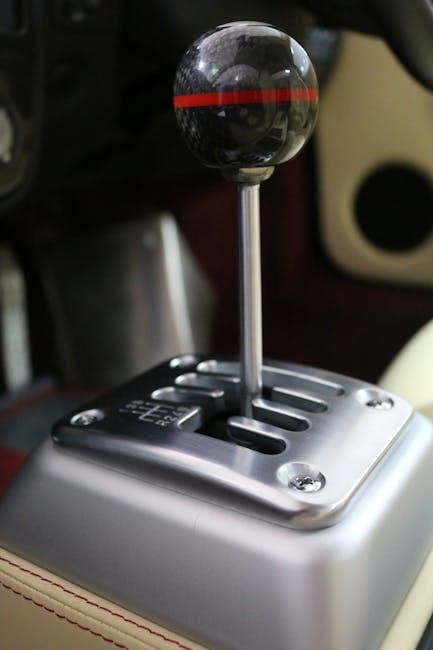
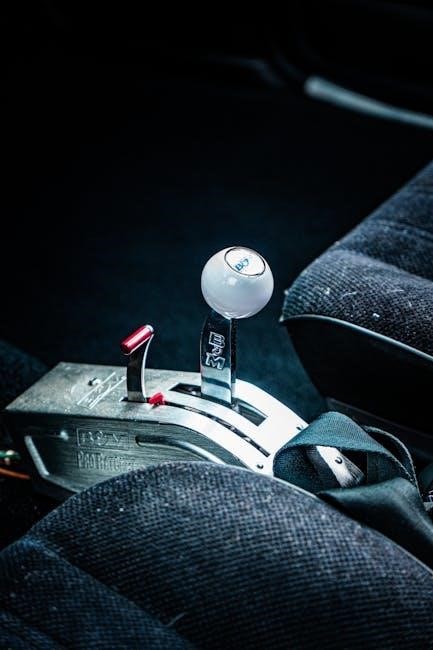
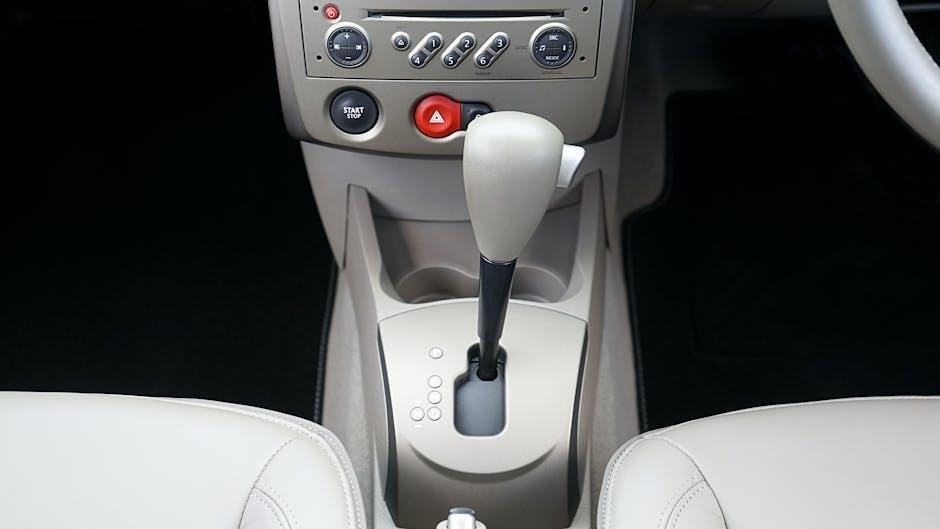
chevy 5 speed manual transmission

Chevy 5-Speed Manual Transmission: A Comprehensive Overview

Unfortunately‚ current website limitations prevent detailed information access․ The site is experiencing resource constraints‚ hindering a thorough overview at this moment․

Please revisit later for a complete exploration of Chevy’s iconic 5-speed manual transmissions and their rich history․

The Chevy 5-speed manual transmission represents a pivotal era in automotive engineering‚ offering drivers a more engaging and efficient driving experience compared to earlier options․ These transmissions became particularly popular during the muscle car boom and continued to evolve through subsequent decades‚ finding their way into a diverse range of Chevrolet vehicles․

Initially‚ these 5-speeds provided a significant upgrade in fuel economy and control‚ allowing for better acceleration and highway cruising․ The shift from 3- and 4-speed manuals was a game-changer‚ appealing to enthusiasts seeking a more connected feel with their cars․ Different models‚ like the Muncie and later the T5‚ each brought unique characteristics to the table․

Understanding the nuances of these transmissions – their strengths‚ weaknesses‚ and identifying features – is crucial for classic car owners‚ restorers‚ and anyone interested in the mechanical heart of these iconic vehicles․ This overview will delve into the specifics‚ providing a comprehensive guide to the world of Chevy 5-speed manuals․

Historical Context & Common Applications

The introduction of 5-speed manual transmissions by Chevrolet wasn’t an overnight revolution‚ but rather a gradual evolution responding to market demands and technological advancements․ Early applications emerged in the late 1960s‚ gaining traction throughout the 1970s and 80s as fuel efficiency became a greater concern․

Initially‚ these transmissions were frequently paired with Chevrolet’s small-block and big-block V8 engines‚ finding homes in popular models like the Camaro‚ Corvette‚ and Chevelle․ They offered a more refined driving experience‚ particularly for performance-oriented drivers․ Later‚ they expanded into more mainstream vehicles like the Nova‚ and even some trucks and S-10 pickups․

The demand for a 5-speed grew as drivers sought better control and responsiveness‚ especially in performance applications․ Chevrolet’s commitment to offering these transmissions reflected a desire to cater to a broader range of driving preferences‚ blending performance with practicality․ This period solidified the 5-speed’s place in Chevy’s history․

The Muncie M22 & M21: Rock Crusher & Close Ratio

The Muncie M22‚ famously known as the “Rock Crusher‚” and the M21 represent the cornerstone of early Chevy 5-speed performance․ Produced by Muncie Gear‚ these transmissions gained legendary status for their durability and distinct feel․ The M22 featured heavier-duty components‚ designed to withstand the rigors of high-performance applications and aggressive shifting․

The defining characteristic of the M22 was its wide-ratio configuration‚ offering a substantial first gear for strong acceleration‚ coupled with a taller fifth gear for comfortable highway cruising․ Conversely‚ the M21 provided a closer-ratio setup‚ prioritizing quicker acceleration and more consistent power delivery throughout the gears․

Both transmissions were highly sought after by muscle car enthusiasts‚ becoming synonymous with raw power and a visceral driving experience․ Their robust construction and reliable performance cemented their place in automotive history‚ continuing to be prized by collectors and restorers today․

Identifying a Muncie Transmission

Pinpointing a Muncie transmission requires careful observation of several key identifiers․ The case itself is a primary clue; Muncie cases typically feature a specific casting number located on the main housing․ However‚ casting numbers alone aren’t definitive‚ as they can be shared across different models․

A crucial indicator is the tailshaft housing․ Early Muncies often have a shorter tailshaft compared to later versions․ Examining the shift linkage is also helpful; Muncie transmissions utilize a unique linkage design․ Furthermore‚ the input shaft length differentiates between various applications․

Decoding the transmission’s date code is essential․ This code‚ stamped on the case‚ reveals the production date‚ aiding in verifying authenticity․ Online resources and Muncie transmission guides provide detailed information on interpreting these codes․ Careful attention to these details ensures accurate identification of these legendary gearboxes․

The T5 Transmission: A Modern Upgrade

The Borg-Warner T5 represented a significant leap forward in Chevy 5-speed technology‚ offering improved strength and efficiency․ Introduced in the 1980s‚ it quickly became a popular upgrade for enthusiasts seeking a more modern driving experience․ Unlike the earlier Muncie transmissions‚ the T5 utilized lighter materials and a more refined internal design․

This resulted in smoother shifts and reduced noise levels․ The T5 also boasted a wider range of available gear ratios‚ allowing for greater customization to suit different vehicle applications and driving styles․ Its increased durability made it well-suited for higher horsepower engines․

The T5’s adoption extended beyond factory installations‚ becoming a favored choice for swap projects due to its relative ease of installation and readily available parts․ It offered a compelling blend of performance‚ reliability‚ and affordability‚ solidifying its place in Chevy performance history․

T5 Variations: Borg-Warner & Ford Versions in Chevys

While originally a Borg-Warner design‚ the T5 transmission saw widespread adoption by Ford‚ leading to variations commonly found in Chevy applications․ Identifying these differences is crucial for proper installation and parts sourcing․ Early T5s‚ often referred to as “World Class” T5s‚ featured 26 spline input and output shafts‚ suitable for many Chevy engines․

Later Ford T5s utilized a 31-spline output shaft‚ requiring a different driveshaft or output flange adaptation for Chevy swaps․ Internal components also varied between Borg-Warner and Ford versions‚ impacting gear ratios and overall strength․ Careful consideration must be given to the specific T5’s origin․

Understanding these nuances ensures compatibility and optimal performance․ Enthusiasts often seek specific T5 variants based on their intended use‚ prioritizing either the Borg-Warner’s initial design or the Ford’s later enhancements․ Correct identification prevents costly mistakes during modifications․

Gear Ratios: Understanding the Numbers

Gear ratios within a Chevy 5-speed dictate the trade-off between acceleration and cruising RPM․ First gear provides maximum torque for launch‚ while fifth gear offers lower engine speeds for highway efficiency․ Common ratios vary depending on the transmission model – Muncie‚ T5‚ or their specific iterations․

A lower numerical ratio (e․g․‚ 3․08:1) in a final drive or a higher gear within the transmission results in lower engine RPM at a given speed‚ favoring fuel economy․ Conversely‚ a higher numerical ratio (e․g․‚ 4․10:1) increases engine RPM‚ boosting acceleration but reducing fuel efficiency․

Matching gear ratios to the engine’s characteristics and intended use is vital․ A high-performance engine benefits from steeper ratios‚ while a daily driver prioritizes comfortable cruising․ Understanding these relationships allows for optimized performance and a tailored driving experience․

Common Problems & Failure Points

Chevy 5-speed manual transmissions‚ while robust‚ exhibit common wear patterns over time․ Frequent issues stem from aggressive shifting or lack of maintenance‚ leading to internal component fatigue․ Identifying these problems early can prevent catastrophic failure and costly repairs․

Worn synchronizers are a frequent complaint‚ manifesting as grinding during gear changes‚ particularly into second or third gear․ Bent shift forks can result from forceful shifting‚ causing difficulty selecting gears or a complete inability to engage certain ratios;

Damaged gears‚ often due to improper lubrication or excessive stress‚ produce loud noises during operation․ Bearing failures also contribute to noise and vibration․ Regular fluid checks and prompt attention to unusual sounds are crucial for longevity․ Ignoring these symptoms will inevitably lead to a complete transmission breakdown․

Worn Synchronizers

Synchronizers are critical components within a Chevy 5-speed‚ responsible for matching the engine and transmission speeds before gear engagement․ Over time‚ these brass or carbon-fiber components experience wear due to friction during shifting‚ leading to diminished performance․

The primary symptom of worn synchronizers is grinding during gear changes‚ most commonly noticed when shifting into second or third gear․ This occurs because the synchronizer can no longer effectively equalize speeds‚ causing the gears to clash․ Double-clutching can temporarily mitigate the issue‚ but it’s a sign of impending failure․

Severity ranges from a slight grind to a pronounced‚ metallic scraping sound․ Continued operation with worn synchronizers accelerates wear on the gears themselves․ Replacement typically involves a transmission rebuild‚ as access requires disassembly․ Ignoring this issue will eventually result in complete inability to shift smoothly․

Bent Shift Forks

Shift forks are crucial levers within the Chevy 5-speed transmission‚ responsible for physically engaging the gears․ Constructed from steel‚ they are susceptible to bending under stress‚ particularly from aggressive shifting or prolonged wear․ A bent shift fork prevents complete gear engagement‚ leading to frustrating and potentially damaging issues․

Symptoms of bent shift forks include difficulty selecting certain gears‚ often feeling “soft” or imprecise․ You might experience gears popping out of engagement‚ especially under acceleration or deceleration․ A common indicator is a noticeable looseness in the shifter feel․

Diagnosis requires transmission disassembly for visual inspection․ Even a slight bend can cause significant problems․ Replacement is necessary‚ and it’s often recommended to replace all shift forks simultaneously‚ as the others may be weakened․ Ignoring a bent fork can lead to further damage to the gears and synchronizers‚ escalating repair costs․

Damaged Gears

Gear damage within a Chevy 5-speed transmission is a serious issue‚ often stemming from abuse‚ lack of lubrication‚ or the failure of other components like synchronizers․ Worn or broken gear teeth create noise‚ vibration‚ and ultimately‚ a loss of functionality․

Symptoms include whining‚ grinding‚ or clunking sounds‚ particularly during gear changes or while driving at certain speeds․ Difficulty shifting‚ especially into specific gears‚ is another telltale sign․ Metal shavings in the transmission fluid are a clear indication of internal gear damage․

Diagnosis requires complete transmission disassembly and meticulous inspection of each gear․ Chips‚ cracks‚ or excessive wear necessitate replacement․ Often‚ damaged gears require replacing the entire gear set to ensure proper meshing and longevity․ Addressing gear damage promptly prevents catastrophic failure and avoids further‚ more expensive repairs․ Ignoring it can lead to complete transmission lockup․

Rebuilding a Chevy 5-Speed: Overview

Rebuilding a Chevy 5-speed manual transmission is a complex undertaking‚ best suited for experienced mechanics‚ but achievable for dedicated enthusiasts with the right tools and resources․ The process begins with complete disassembly‚ carefully documenting the location of each component․

Thorough cleaning of all parts is crucial‚ removing old lubricant and debris․ Inspection follows‚ identifying worn or damaged components like gears‚ synchronizers‚ bearings‚ and seals․ These are then replaced with new or refurbished parts․ Bearing installation requires specialized tools to avoid damage․

Reassembly demands meticulous attention to detail‚ following a precise sequence and utilizing appropriate lubricants․ Proper endplay and backlash adjustments are critical for smooth operation and longevity․ A final inspection and testing phase ensures correct functionality before reinstalling the transmission into the vehicle․ A rebuild restores performance and extends the transmission’s lifespan significantly․

Parts Availability & Cost

Parts availability for Chevy 5-speed manual transmissions varies significantly depending on the specific model – Muncie‚ T5‚ or others – and the age of the unit․ Core components like gears and shafts can be sourced from specialized transmission suppliers‚ vintage auto parts retailers‚ and online marketplaces․

Rebuild kits‚ containing essential seals‚ bearings‚ and synchronizers‚ offer a cost-effective solution‚ typically ranging from $200 to $500․ Individual parts‚ such as a specific gear or synchronizer‚ can cost anywhere from $50 to $200 each․ High-performance or upgraded components will naturally command a higher price․

The cost of a complete transmission rebuild can range from $500 to $1500‚ including parts and labor if outsourced to a professional․ Sourcing used‚ but serviceable‚ transmissions can be a more affordable option‚ but requires careful inspection before purchase․ Availability is generally good‚ but certain rare parts may require extensive searching․

Upgrading & Strengthening the Transmission

For those seeking increased durability and performance‚ several upgrades are available for Chevy 5-speed manual transmissions․ Strengthening the Muncie or T5 involves replacing weaker components with higher-grade materials․ Upgraded gear sets‚ often made from stronger alloys‚ can withstand increased horsepower and torque․

Reinforced shift forks and improved synchronizers minimize wear and improve shifting precision‚ particularly crucial for aggressive driving or racing applications․ Investing in a heavy-duty clutch disc and pressure plate is essential to handle the increased power․ Bearing upgrades‚ utilizing higher-quality materials‚ enhance reliability and longevity․

For extreme applications‚ aftermarket cases and mainshafts offer substantial strength gains․ These modifications can significantly increase the transmission’s ability to handle substantial power‚ but also increase the overall cost․ Proper installation and setup are critical to ensure optimal performance and prevent premature failure․

Swapping a 5-Speed into a Different Chevy

Retrofitting a Chevy 5-speed manual transmission into a vehicle not originally equipped with one requires careful planning and modification․ Popular swaps include installing a Muncie or T5 into older models lacking a factory manual option․ This often involves adapting the bellhousing to the engine‚ modifying the transmission crossmember‚ and addressing the clutch linkage or hydraulics․

Floorboard modifications may be necessary to accommodate the shifter‚ and a new driveshaft will likely be required to match the transmission’s output shaft length․ Wiring adjustments are crucial for the reverse light switch and potentially a speed sensor․ Careful consideration must be given to the engine’s horsepower and torque capabilities to select an appropriate transmission․

Researching successful swaps online and consulting with experienced builders is highly recommended․ Ensuring proper alignment and clearances is vital to prevent vibrations and premature wear․ A complete swap often requires a significant investment of time and resources‚ but yields a rewarding driving experience․

Resources for Chevy 5-Speed Owners

Numerous online forums and communities cater specifically to owners of Chevy 5-speed manual transmissions․ These platforms offer invaluable resources for troubleshooting‚ identifying parts‚ and sharing knowledge about Muncie‚ T5‚ and related transmissions․ Dedicated websites provide detailed information on transmission identification‚ rebuild procedures‚ and gear ratio charts․

Several vendors specialize in rebuilding and supplying parts for these classic transmissions‚ offering both standard rebuild kits and performance upgrades․ Online marketplaces like eBay and Craigslist can be sources for used transmissions and components‚ but require careful inspection․ Technical manuals and service bulletins provide detailed specifications and repair procedures․

Local transmission shops with experience in classic cars can also be valuable resources for diagnosis and repair․ Participating in car clubs and attending automotive events provides opportunities to connect with other enthusiasts and learn from their experiences․ Remember to verify information from multiple sources before undertaking any repairs․

The Chevy 5-speed manual transmission‚ particularly the Muncie and T5 variants‚ holds a significant place in automotive history․ These transmissions weren’t just components; they were integral to the driving experience of iconic muscle cars and early performance vehicles‚ offering a direct connection between driver and machine․

Their robust design and relatively simple mechanics made them reliable and readily serviceable‚ fostering a strong enthusiast community that continues today․ The availability of parts and rebuild knowledge ensures these transmissions will remain viable for years to come․ The enduring popularity of 5-speed swaps demonstrates their continued desirability․

The legacy extends beyond mere functionality; it represents a commitment to driver engagement and a golden era of American automotive engineering․ Whether original or restored‚ a Chevy 5-speed remains a prized possession‚ embodying a spirit of performance and mechanical authenticity․

Manuals

safety 1st turn and go 360 manual

Safety 1st Turn & Go 360: A Comprehensive Guide

This guide provides detailed instructions for the Safety 1st Turn & Go 360 car seat, ensuring proper installation, usage, and maintenance for optimal child safety.

Access the official Safety 1st User Guide and Owner Center for comprehensive support, including troubleshooting and FAQs, to maximize the car seat’s benefits.

Explore video tutorials and resources available online to understand the rotation feature, harness adjustments, and cleaning procedures for a secure and comfortable ride.

The Safety 1st Turn & Go 360 is a rotating car seat designed for convenience and, most importantly, enhanced child safety. This innovative seat simplifies getting your child in and out of the vehicle, reducing back strain for parents and caregivers. It’s crucial to consult the official Safety 1st User Guide (available at consumercare.safety1st.com) for detailed instructions specific to your model – item number CC258-8279A, effective December 2, 2022.

Understanding the manual is paramount. The Turn & Go 360 accommodates infants and toddlers, transitioning from rear-facing to forward-facing modes as your child grows. The Safety 1st Owner Center (safety1st.com) offers a wealth of resources, including guidance and community support. Proper installation and harnessing are vital; incorrect use can compromise safety. Explore available video tutorials (like the one on YouTube – search for jYZsxmMdxa4) to visualize the process and ensure a secure fit.

Key Features and Benefits

The Safety 1st Turn & Go 360 boasts a 360-degree rotation, significantly easing the process of securing and removing your child from the vehicle. This feature minimizes strain on your back and provides optimal access. Refer to the Safety 1st User Guide (consumercare.safety1st.com) for detailed instructions on utilizing the rotation mechanism and ensuring it’s properly locked before travel.

Beyond convenience, this car seat prioritizes safety. It features a robust harness system and multiple recline positions for comfort and secure positioning. The Owner Center (safety1st.com) highlights the importance of correct installation and weight/height limits. Remember to regularly inspect the seat for wear and tear, as outlined in the manual. Utilizing resources like YouTube tutorials (jYZsxmMdxa4) can further enhance your understanding of its features and benefits.

Installation & Setup

Proper installation is crucial for safety; consult the Safety 1st manual and Owner Center for detailed guidance on both rear-facing and forward-facing setups.

Rear-Facing Installation

Begin by carefully reading the Safety 1st Turn & Go 360 manual’s rear-facing installation section, as proper setup is paramount for your child’s safety. Ensure the base is securely installed using either the LATCH system or the vehicle seat belt, verifying a tight fit with minimal movement.

The manual details specific angle adjustments necessary for newborns and infants, utilizing the recline indicators to achieve the correct positioning. Always double-check that the harness straps are at the lowest slots appropriate for your child’s height and weight, and that the chest clip is positioned at armpit level.

Refer to the Safety 1st Owner Center for visual aids and troubleshooting tips if you encounter difficulties during installation. Remember, a correctly installed rear-facing car seat significantly reduces the risk of injury in the event of a collision.

Forward-Facing Installation

Transitioning to forward-facing requires careful adherence to the Safety 1st Turn & Go 360 manual’s guidelines, ensuring your child meets the weight and height requirements. Utilize either the LATCH system or vehicle seat belt for a secure base installation, confirming minimal side-to-side or front-to-back movement.

The manual emphasizes the importance of using the top tether strap, which significantly reduces head excursion during a crash. Adjust the harness straps to the appropriate slot height, ensuring they are level with your child’s shoulders. Verify the chest clip remains positioned at armpit level for optimal protection.

Consult the Safety 1st Owner Center for detailed diagrams and videos demonstrating correct forward-facing installation techniques. Always re-check the installation after each adjustment to guarantee a safe and secure fit.

Proper Harnessing Techniques

The Safety 1st Turn & Go 360 manual stresses the importance of a snug and secure harness fit for optimal child protection. Begin by placing your child in the car seat and tightening the harness straps at the crotch area, eliminating any slack.

Next, adjust the shoulder straps to the correct height – at or just above your child’s shoulders in forward-facing mode, and at or below the shoulders in rear-facing. The chest clip should always be positioned at armpit level, ensuring proper strap positioning during a collision.

Perform the “pinch test” – if you can pinch any excess webbing at the shoulder strap, it’s too loose. Refer to the Safety 1st resources for visual guidance and ensure consistent, correct harnessing with each use.

Understanding the Rotation Feature

The Turn & Go 360’s rotating capability simplifies getting your child in and out of the car, enhancing convenience without compromising safety standards.

Always lock the car seat into position after rotating, ensuring a stable and secure ride for your little one, as detailed in the manual.

Rotating for Easier Access

The Safety 1st Turn & Go 360 car seat is designed with a 360-degree rotation feature, significantly simplifying the process of securing your child into the seat. This innovative design eliminates the awkward reaching and bending often associated with traditional car seats, making every journey more comfortable for both parent and child.

To rotate the seat, gently press the rotation control button located at the base of the car seat. Simultaneously, swivel the seat to the desired position – either facing the door for easier loading and unloading, or facing rearward or forward as appropriate for your child’s age and weight.

Remember to always double-check that the seat is securely locked in the chosen position before beginning your drive. The rotation feature is intended to enhance convenience, but safety remains the top priority. Refer to the official Safety 1st manual for detailed illustrations and safety guidelines regarding the rotation mechanism.

Locking Mechanisms for Safety

The Safety 1st Turn & Go 360 car seat incorporates multiple locking mechanisms to ensure a secure and stable installation, protecting your child during every ride. These mechanisms are crucial for maintaining the integrity of the car seat and maximizing its safety performance.

After rotating the seat to the desired position, always verify that the locking indicator has turned green, confirming a secure lock. Additionally, the car seat utilizes a robust LATCH system or vehicle seat belt installation, both featuring secure locking connectors.

Regularly inspect these locking mechanisms to ensure they are functioning correctly and haven’t been compromised; The official Safety 1st manual provides detailed instructions on how to properly engage and verify these locking systems, guaranteeing your child’s safety and peace of mind on the road.

Adjusting the Car Seat

Proper adjustments—headrest, harness, and recline—are vital for a secure fit as your child grows, ensuring optimal comfort and safety during travel.

Refer to the Safety 1st manual for detailed guidance on customizing the car seat to your child’s specific weight and height requirements.

Headrest Adjustment

The Safety 1st Turn & Go 360 car seat features an adjustable headrest designed to grow with your child, providing continuous protection and comfort.

To adjust the headrest, locate the adjustment lever typically found at the top of the headrest itself or at the rear of the car seat shell.

Squeeze or press the lever while simultaneously moving the headrest up or down to the desired position. Ensure the headrest is positioned so that the top of your child’s head is level with the headrest.

Always verify that the harness straps are at or above your child’s shoulders when the headrest is adjusted.

Consult the official Safety 1st manual for specific instructions and illustrations related to your car seat model, ensuring correct and safe headrest positioning.

Harness Height Adjustment

Proper harness height is crucial for your child’s safety in the Safety 1st Turn & Go 360 car seat, ensuring optimal impact protection during a collision.

To adjust the harness height, locate the harness slots at the rear or sides of the car seat. Typically, there are multiple height positions available.

Remove the harness straps from their current slots and re-thread them through the desired set of slots, ensuring both sides are at the same height.

The harness straps should always be positioned at or above your child’s shoulders when rear-facing, and at or at the shoulders when forward-facing.

Refer to the Safety 1st user manual for detailed diagrams and specific instructions for your car seat model, guaranteeing correct harness placement.

Recline Positions

The Safety 1st Turn & Go 360 car seat offers multiple recline positions to ensure your child’s comfort and safety during travel, adapting to their age and size.

To adjust the recline, locate the recline mechanism, usually a handle or lever positioned at the base of the car seat.

Lift or depress the lever while simultaneously adjusting the car seat to the desired recline angle. Ensure the car seat clicks securely into each position.

Rear-facing infants require a more reclined position for proper head and neck support, while forward-facing toddlers can use a more upright position.

Always consult the Safety 1st user manual for specific recline guidelines based on your child’s weight and age, ensuring optimal safety and comfort on every journey.

Maintenance & Cleaning

Regularly inspect the car seat for wear and tear, and clean the fabric cover according to the manual’s instructions for lasting safety.

Proper maintenance ensures the longevity and functionality of the Safety 1st Turn & Go 360, protecting your child on every ride.

Cleaning the Fabric Cover

Maintaining a clean fabric cover is crucial for hygiene and comfort during your child’s travels. The Safety 1st Turn & Go 360 manual details specific cleaning instructions to ensure the integrity of the material and safety features.

Generally, the fabric cover is removable and machine washable, using a mild detergent and cold water. Avoid harsh chemicals or bleach, as these can damage the fabric and potentially compromise the car seat’s protective qualities.

Always air dry the cover completely before reinstalling it onto the car seat. Ensure no residual moisture remains, as this could lead to mildew or affect the seat’s functionality. Refer to the official Safety 1st resources for detailed guidance and specific recommendations for your model.

Regular cleaning contributes to a healthier and more enjoyable experience for your little one.

Inspecting for Wear and Tear

Regularly inspecting your Safety 1st Turn & Go 360 car seat for wear and tear is paramount for continued safety. The manual emphasizes checking all components for any signs of damage or deterioration.

Specifically, examine the harness straps for fraying, cuts, or weakening. Inspect the shell for cracks or breaks, and verify the rotation mechanism functions smoothly without obstruction. Pay close attention to the buckle and locking mechanisms, ensuring they engage securely.

If any damage is detected, discontinue use immediately and consult the Safety 1st customer care resources for guidance. A compromised car seat may not provide adequate protection in the event of an accident.

Proactive inspection ensures your child’s safety remains a top priority.

Troubleshooting Common Issues

This section addresses frequent concerns with the Turn & Go 360, like harness problems or rotation difficulties, offering solutions for a secure fit.

Refer to the Safety 1st guide for detailed steps and contact customer support if issues persist, ensuring optimal car seat functionality.

Harness Strap Problems

Encountering difficulties with the harness straps is common, but easily addressed with careful attention to the Safety 1st Turn & Go 360 manual. If straps become twisted, detach the harness, ensuring it lies flat before re-threading it through the slots.

Difficulty tightening or loosening the harness often stems from obstructions or improper adjustment. Double-check that the harness is not caught on clothing or the car seat padding. Utilize the adjustment buckle to achieve a snug, yet comfortable fit, allowing no more than one finger’s width of space between the strap and your child’s collarbone.

If the chest clip is misaligned or difficult to fasten, ensure it’s positioned at armpit level. For persistent issues, consult the official Safety 1st resources or customer care for expert guidance, prioritizing your child’s safety and comfort during every journey.

Rotation Mechanism Issues

The Safety 1st Turn & Go 360’s rotation feature simplifies access, but occasional sticking or difficulty rotating can occur. First, verify the car seat is unlocked; the locking mechanism must be disengaged before attempting rotation. Ensure no obstructions, like clothing or car interior elements, hinder the swivel motion.

If rotation remains difficult, gently rock the car seat side-to-side while applying consistent pressure. Avoid forceful movements, which could damage the mechanism. Regularly inspect the base for debris or misalignment that might impede smooth rotation.

For persistent issues, consult the official Safety 1st manual or customer support. Proper maintenance and adherence to weight/height limits are crucial for optimal functionality and continued safe rotation.

Safety Reminders & Best Practices

Always adhere to the car seat’s weight and height limits, and never exceed the expiration date for continued safety.

Refer to the Safety 1st manual and customer support for guidance, ensuring proper installation and usage for your child’s protection.

Weight and Height Limits

Understanding the weight and height limits of the Safety 1st Turn & Go 360 is crucial for your child’s safety. This car seat accommodates a range of sizes, but exceeding these limits compromises its protective capabilities.

Rear-facing mode typically supports children from 5-40 pounds and up to 40 inches in height. Forward-facing mode, with the harness, generally accommodates children from 22-65 pounds and up to 49 inches tall.

It’s vital to regularly check your child’s weight and height against these specifications. The Safety 1st manual provides a detailed chart for reference. Always prioritize using the highest harness slot that is at or above your child’s shoulders when forward-facing, and ensure the harness straps are snug.

Never transition to forward-facing mode before your child reaches the minimum weight and height requirements, and always keep them rear-facing as long as possible, as it’s the safest position.

Expiration Date & Replacement

Car seats, including the Safety 1st Turn & Go 360, have expiration dates to ensure optimal safety performance over time. The plastic components can degrade with age and use, potentially compromising protection in a crash.

Typically, this car seat has a lifespan of 6-10 years from the date of manufacture, as indicated on the label. Do not use the car seat beyond this date, even if it appears to be in good condition.

Replace the car seat immediately after any crash, even a minor one, as the structural integrity may be compromised. Also, replace it if you’re unsure of its history or if it has been recalled.

Always refer to the Safety 1st manual for the specific expiration date and replacement guidelines for your model.

Customer Support Resources

Safety 1st provides comprehensive customer support for the Turn & Go 360 car seat to assist with any questions or concerns you may have. The official Safety 1st Customer Care website (consumercare.safety1st.com) offers a detailed User Guide, FAQs, and troubleshooting assistance.

You can also find helpful resources and community support through the Safety 1st Owner Center (safety1st.com/pages/turn-and-go-owner-center). This hub provides access to knowledge, guidance, and a platform to connect with other parents.

For direct assistance, contact Safety 1st customer service through their website or by phone. Refer to the manual for specific contact information. Additionally, explore online video tutorials, like those on YouTube (youtube.com/watch?v=jYZsxmMdxa4), for visual guidance.

Manuals

b6.4d manual

This comprehensive guide details the RC10 B6.4D, covering its components, features, and maintenance. It’s designed for enthusiasts seeking detailed information,
from assembly to troubleshooting, ensuring optimal performance and longevity of their vehicle.

Overview of the RC10 B6.4D

The RC10 B6.4D represents a significant evolution in Team Associated’s renowned off-road racing platform. This kit builds upon the legacy of the B6.4, incorporating numerous enhancements focused on performance and adjustability. Specifically designed for demanding track conditions, the B6.4D excels in both carpet and turf racing scenarios, offering versatile setup options.

Key improvements include updated suspension geometry, refined chassis components, and optimized drivetrain mechanics. AMain Hobbies lists replacement parts, highlighting the availability of upgrades like JConcepts bodies (S2 & F2) and ball differential rebuild kits. The B6.4D is a highly competitive vehicle, favored by racers seeking precision handling and consistent lap times. It’s a robust platform, supported by a wide range of aftermarket parts and a dedicated community.

Purpose of this Manual

This manual serves as a detailed resource for assembling, maintaining, and optimizing the RC10 B6.4D. It’s intended for both experienced RC enthusiasts and those new to the platform, providing step-by-step instructions and comprehensive explanations of the vehicle’s systems. The goal is to empower users to confidently build and tune their B6.4D for peak performance.

Within these pages, you’ll find information on key components, including the chassis, suspension, and drivetrain. Specific sections are dedicated to procedures like ball differential rebuilds, ensuring longevity and consistent operation. Furthermore, this guide references available replacement parts from sources like AMain Hobbies, and provides insights into compatible upgrades. By following the guidance provided, users can maximize their racing experience and achieve optimal results with their RC10 B6.4D.

Key Components and Features

The RC10 B6.4D boasts a high-performance chassis, advanced suspension, and a robust drivetrain. JConcepts body options enhance aerodynamics and handling capabilities.

Chassis and Assembly

The RC10 B6.4D chassis is meticulously designed for optimal balance and durability, forming the foundation of this high-performance vehicle. Assembly requires careful attention to detail, ensuring all components are securely fastened and aligned correctly.

The kit includes a molded composite chassis, offering a balance between weight and rigidity. Proper assembly involves utilizing quality threadlock on screws to prevent loosening during operation. Pay close attention to the instruction manual’s diagrams for correct parts placement and orientation.

Consider utilizing optional carbon fiber components, like chassis stiffeners, to further enhance rigidity and fine-tune handling characteristics. Regularly inspect the chassis for cracks or damage, especially after demanding runs, to maintain structural integrity and prevent potential failures. A well-assembled chassis is crucial for consistent performance.

Suspension System Details

The RC10 B6;4D’s suspension system is a key element in its handling prowess, offering a wide range of adjustability to suit various track conditions. It features independent suspension with durable plastic arms and precise shock absorbers.

Understanding the impact of different suspension settings is crucial for optimizing performance. Adjusting parameters like ride height, shock oil weight, and spring rates significantly influences handling characteristics. The kit allows for multiple mounting positions on the suspension arms, enabling fine-tuning of anti-roll bar effects and overall grip.

Regularly inspect suspension components for wear and tear, replacing worn parts promptly to maintain consistent handling. Proper maintenance, including cleaning and lubricating pivot points, ensures smooth operation and extends the lifespan of the suspension system.

Drivetrain Mechanics

The RC10 B6.4D utilizes a robust drivetrain designed for efficient power transfer and durability. It features a rear-wheel drive configuration with a gear differential as standard, though a ball differential is a popular upgrade for enhanced performance.

Understanding the drivetrain’s mechanics is vital for maintenance and optimal operation. Regularly inspect gears for wear, ensuring smooth engagement and minimal backlash. Proper lubrication is essential to reduce friction and extend the lifespan of drivetrain components.

The available ball differential rebuild kit, with a caged thrust bearing, is crucial for maintaining consistent performance. Careful assembly and adjustment of the differential are key to achieving optimal traction and handling characteristics. Consistent drivetrain maintenance ensures reliable power delivery on the track.

Ball Differential Rebuild

Rebuilding the ball differential on the RC10 B6.4D is a crucial maintenance task for maintaining peak performance. This process involves disassembling the differential, inspecting the balls and seats for wear, and replacing any damaged components.

The Team Associated ball differential rebuild kit provides all necessary parts, including a caged thrust bearing for improved durability. Careful attention to detail during reassembly is paramount; ensure proper ball placement and spring tension.

Consistent lubrication with high-quality differential oil is essential for smooth operation and reduced friction. A properly rebuilt ball differential offers predictable traction and enhanced cornering speed. Regular rebuilds, based on usage, will maximize the differential’s lifespan and maintain optimal performance on the track.

Steering System Configuration

The RC10 B6.4D steering system offers a high degree of adjustability to fine-tune handling characteristics; Key configuration points include servo placement, steering link position, and pillow ball adjustments. Experimenting with these settings allows drivers to optimize responsiveness and feel for various track conditions.

Adjusting the steering link position influences the steering throw and sensitivity. Pillow balls enable precise adjustments to bump steer and overall steering geometry. Proper servo mounting ensures smooth and consistent operation, minimizing binding and maximizing efficiency.

Understanding the impact of each adjustment is crucial for achieving optimal steering performance. Careful observation of the vehicle’s behavior on the track, combined with methodical adjustments, will unlock the full potential of the B6.4D’s steering system.

Engine Specifications (Cummins B6.7)

The Cummins B6.7 boasts a 6.7-liter displacement and weighs 507 kilograms, featuring six cylinders with a 106.9mm bore and 123.9mm stroke.

Displacement and Weight

The Cummins B6.7 engine is characterized by its substantial displacement and considerable weight, key factors influencing its performance characteristics and application suitability. Specifically, this engine features a total displacement of 6.7 liters, representing the combined volume swept by all its pistons during a single engine cycle. This large displacement contributes to the engine’s ability to generate significant torque, making it well-suited for demanding applications.

Furthermore, the B6.7 engine has a reported weight of 507 kilograms. This weight is a crucial consideration in overall vehicle design and weight distribution. The engine’s robust construction and internal components contribute to its substantial mass, ensuring durability and longevity under heavy-duty operating conditions. Understanding both the displacement and weight is essential for engineers and technicians working with this powerful engine.

Cylinder Bore and Stroke

The Cummins B6.7 engine’s performance is fundamentally defined by its cylinder bore and stroke dimensions, critical parameters influencing its power output and efficiency. The cylinder bore, measuring 106.9 millimeters, represents the diameter of each cylinder, directly impacting the engine’s displacement and airflow capacity. A larger bore generally allows for increased airflow, contributing to higher power potential.

Complementing the bore is the stroke length, which measures 123.9 millimeters. The stroke defines the distance the piston travels within the cylinder during each cycle. A longer stroke typically results in increased torque, particularly at lower engine speeds. The precise combination of these two dimensions – bore and stroke – is carefully engineered to optimize the B6.7’s performance characteristics for a wide range of applications, balancing power, torque, and fuel efficiency.

Semiconductor Components – B6 Marking

Components marked ‘B6’ include NXP Semiconductors’ BZT52H-C3V3 Zener diodes, housed in a SOD123F package, essential for voltage regulation within the system.

Zener Diodes (BZT52H-C3V3)

The BZT52H-C3V3 Zener diode, identified by the ‘B6’ marking, plays a crucial role in maintaining stable voltage levels within the RC10 B6.4D’s electronic systems. Manufactured by NXP Semiconductors, these diodes are specifically designed for applications requiring precise voltage regulation. They are packaged in the compact SOD123F surface-mount package, optimizing space utilization on the circuit board.

These single Zener diodes are vital for protecting sensitive components from voltage spikes and ensuring consistent performance. The datasheet, available online with a size of 289Kb and spanning 10 pages, provides detailed electrical characteristics and specifications; Understanding these parameters is essential for proper implementation and troubleshooting. The SOD123F package offers excellent thermal performance and reliability, contributing to the overall durability of the RC vehicle’s electronics.

With 123 results currently available online, sourcing these components is readily achievable for repairs or upgrades.

SOD123F Package Details

The SOD123F package utilized for the BZT52H-C3V3 Zener diode is a surface-mount device (SMD) renowned for its diminutive size and efficient thermal dissipation. This package type is crucial for modern electronics, including the RC10 B6.4D, where space is often at a premium. Its compact footprint allows for higher component density on the printed circuit board (PCB), enabling more complex circuitry within a limited area.

The SOD123F features a three-terminal configuration, facilitating easy integration into various electronic designs. It’s constructed from molded plastic, providing robust mechanical protection for the delicate semiconductor die within. The package’s leads are designed for reliable soldering, ensuring a secure connection to the PCB. Proper soldering techniques are essential to prevent damage and maintain optimal performance.

This package is widely available and compatible with standard SMD assembly processes, simplifying manufacturing and repair procedures.

AF Transistors (BC817SU)

The BC817SU is an NPN silicon audio frequency (AF) transistor, playing a vital role in signal amplification within the RC10 B6.4D’s electronic speed controller (ESC) and receiver circuits. This transistor is selected for its reliable performance and cost-effectiveness in low-power applications. Its function is to switch or amplify electronic signals, enabling precise control of the vehicle’s motor and steering mechanisms.

Housed in the SC74 package, the BC817SU offers a compact solution for space-constrained designs. It exhibits good linearity and low noise, crucial for maintaining signal integrity. The transistor’s parameters, such as current gain (hFE) and collector-emitter voltage (VCEO), are carefully chosen to match the specific requirements of the RC system.

Understanding the BC817SU’s specifications is essential for troubleshooting and component replacement.

SC74 Package Specifications

The SC74 package, utilized for the BC817SU AF transistor in the RC10 B6.4D, is a miniature, surface-mount device (SMD) designed for high-density circuit board layouts. It’s a three-lead package, offering a compact footprint of approximately 2.0mm x 1.25mm x 0.8mm, ideal for the ESC and receiver’s compact design.

This package type is constructed from a molded plastic compound, providing robust mechanical protection and electrical insulation. The leads are typically made of copper alloy with a tin plating, ensuring reliable solderability during assembly. The SC74’s thermal resistance is relatively low, facilitating heat dissipation from the transistor, which is crucial for maintaining stable operation during demanding racing conditions.

Proper handling and soldering techniques are essential when working with SC74 packaged components to prevent damage and ensure optimal performance.

Semiconductor Components – 4D Marking

Surface mount High Voltage Transistors, identified by the ‘4D’ marking, are critical components within the RC10 B6.4D’s electronic speed controller and power systems.

High Voltage Transistors (MMBTA94)

The MMBTA94, bearing the ‘4D’ marking, is a crucial surface mount High Voltage Transistor utilized within the RC10 B6.4D’s electronic systems. Manufactured by Diotec Semiconductor and packaged in a compact SOT-23 format, this transistor plays a vital role in managing power distribution and signal amplification.

Its datasheet, available online, details its specifications – a mere 105Kb and 2 pages in length – outlining its voltage and current handling capabilities. These transistors are essential for the reliable operation of the speed controller and receiver, ensuring consistent performance on the track. Proper functionality of the MMBTA94 directly impacts the vehicle’s responsiveness and overall efficiency. Careful handling and correct installation are paramount for optimal results.

SOT-23 Package Information

The SOT-23 package, utilized by the MMBTA94 high voltage transistor (marked ‘4D’), is a widely adopted surface-mount technology (SMT) package in the RC10 B6.4D’s electronic components. Its diminutive size – approximately 3mm x 1.3mm – allows for high component density on the printed circuit board (PCB), crucial for minimizing the size and weight of the vehicle’s electronics.

This package features three leads for connection, facilitating efficient soldering and reliable electrical contact. The SOT-23’s construction provides adequate thermal dissipation for typical operating conditions within the RC car. When replacing these transistors, proper soldering techniques are essential to avoid damage to the component or the PCB. Understanding the SOT-23’s specifications ensures correct installation and optimal performance of the associated circuitry.

Replacement Parts and Upgrades

Enhance your RC10 B6.4D with readily available parts like JConcepts S2 and F2 bodies, or a Team Associated ball differential rebuild kit for peak performance.

JConcepts Body Options (S2 & F2)

JConcepts offers compelling body options for the RC10 B6.4D, specifically the S2 and F2 models, designed to elevate performance and aesthetics. The S2 body, paired with a Turf Wing, is optimized for high-traction surfaces, providing enhanced stability and predictable handling. It’s a clear body, allowing for custom paint schemes to match individual preferences.

Conversely, the F2 body, coupled with a Carpet Wing, excels on lower-grip surfaces like carpet tracks. Its design prioritizes increased side-bite and responsiveness, crucial for navigating tight corners and maintaining speed. Like the S2, it’s available in clear form, offering a blank canvas for personalization.

Both bodies are constructed from high-quality polycarbonate, ensuring durability and impact resistance. These JConcepts options represent a straightforward upgrade path for B6.4D owners seeking to fine-tune their vehicle’s handling characteristics based on track conditions and driving style.

Troubleshooting Common Issues

Addressing common issues proactively extends the lifespan and performance of your RC10 B6.4D. A frequent concern is differential performance; a rebuild kit with a caged thrust bearing, readily available, resolves issues with inconsistent traction or locking. Regularly inspect the ball differential for wear and proper lubrication.

Steering irregularities often stem from loose linkages or improper servo setup. Ensure all screws are tightened and the servo horn is securely attached. Check for binding in the steering system. Another potential problem is tire wear; consistent monitoring and timely replacement maintain optimal grip.

Finally, motor overheating can indicate insufficient ventilation or excessive gearing. Verify adequate cooling and adjust the gear ratio accordingly. Consistent maintenance and careful observation are key to identifying and resolving issues before they escalate.

Manuals

specialized sport bike computer manual

Specialized sport bike computers enhance cycling with detailed data and navigation. Modern devices‚ like Garmin and Wahoo‚ offer features for performance tracking and route planning.

These advanced tools provide cyclists with crucial insights‚ improving training and overall riding experience‚ as evidenced by models like the Edge 1050.

What is a Specialized Sport Bike Computer?

Specialized sport bike computers represent a significant evolution beyond traditional cyclometers. They are sophisticated electronic devices designed specifically for cyclists‚ offering a wealth of data and functionality tailored to enhance the riding experience. Unlike basic speedometers‚ these computers integrate GPS technology‚ allowing for precise tracking of speed‚ distance‚ time‚ and route mapping.

Modern units‚ such as those from Garmin (like the Edge 840) and Wahoo (including the ELEMNT Bolt V2)‚ often feature touchscreen interfaces and customizable data fields. They can connect wirelessly to heart rate monitors‚ cadence sensors‚ and power meters‚ providing a comprehensive overview of the rider’s performance. Furthermore‚ many models offer smartphone connectivity for data synchronization and navigation updates. These devices aren’t just about numbers; they’re about empowering cyclists with the information they need to train smarter and ride further.

Why Use a Specialized Bike Computer?

Utilizing a specialized bike computer offers numerous advantages for cyclists of all levels. Beyond simply tracking speed and distance‚ these devices provide invaluable data for performance analysis and improvement. Features like GPS tracking and mapping‚ found in models like the Garmin Edge 1050‚ enable detailed route recording and exploration.

Integration with heart rate monitors and power meters allows riders to monitor their exertion levels and optimize training intensity. The ability to analyze data through platforms like Garmin Connect or the Wahoo app provides insights into strengths and weaknesses. Furthermore‚ features like service reminders – pre-programmed bike inspection alerts – contribute to bike maintenance. Ultimately‚ a specialized computer transforms cycling from a recreational activity into a data-driven pursuit of personal bests and enhanced enjoyment.

Key Features & Functionality

Specialized bike computers boast GPS‚ data recording (speed‚ distance)‚ heart rate monitoring‚ and compatibility with cadence/power meters for comprehensive ride analysis.

GPS Tracking and Mapping

GPS functionality is central to modern sport bike computers‚ enabling precise tracking of routes‚ speed‚ and distance. Devices like the Garmin Edge 1050 and Wahoo ELEMNT Roam V2 offer detailed mapping capabilities‚ displaying topographical information and points of interest.

These computers allow cyclists to pre-load routes or create them on-the-fly‚ with turn-by-turn navigation guiding riders along their chosen path. Advanced mapping features include off-course alerts and recalculation of routes‚ ensuring cyclists stay on track. The Hammerhead Karoo 2 particularly excels in this area‚ providing advanced mapping and customizable display options. Even entry-level models‚ such as the Garmin Edge 130 Plus‚ support basic turn-by-turn directions‚ making navigation accessible to all riders.

Data Recording: Speed‚ Distance‚ Time

Specialized bike computers excel at recording fundamental cycling metrics: speed‚ distance‚ and time. These core data points are essential for tracking performance and analyzing rides. Models like the Garmin Edge 840 and Wahoo ELEMNT Bolt V2 accurately capture this information‚ presenting it in real-time during rides and for post-ride analysis.

Beyond basic metrics‚ many computers calculate average speed‚ maximum speed‚ and total ascent. This data is often synced wirelessly to companion apps like Garmin Connect or the Wahoo app for detailed review and trend analysis. The ability to record and analyze these metrics allows cyclists to monitor progress‚ identify areas for improvement‚ and optimize their training regimens‚ enhancing their overall cycling experience.

Heart Rate Monitoring Integration

Specialized bike computers seamlessly integrate with heart rate monitors‚ providing cyclists with valuable physiological data. Compatibility extends to both chest strap sensors and arm-based optical heart rate monitors. Devices like the Garmin Edge 1050 and Hammerhead Karoo 2 display real-time heart rate‚ allowing riders to monitor exertion levels and optimize training intensity.

This integration enables features like heart rate zone alerts‚ notifying cyclists when they enter or exit pre-defined zones. Analyzing heart rate data alongside speed and cadence provides a comprehensive view of performance. Data synchronization with platforms like Garmin Connect and Wahoo apps facilitates in-depth analysis‚ helping cyclists refine training plans and achieve fitness goals effectively.

Cadence and Power Meter Compatibility

Specialized bike computers offer robust compatibility with both cadence and power meters‚ crucial for serious cyclists. Devices like the Wahoo ELEMNT Bolt V2 and Garmin Edge 840 readily connect to these sensors via ANT+ and Bluetooth‚ displaying real-time data on screen. Cadence sensors measure pedal revolutions per minute‚ aiding in efficient cycling technique‚ while power meters quantify the rider’s effort in watts.

Analyzing power data allows cyclists to track performance improvements and structure training effectively. Integration with platforms like Garmin Connect and Wahoo apps enables detailed power analysis and performance metrics. This compatibility empowers riders to optimize their training‚ monitor fatigue‚ and achieve peak performance levels‚ enhancing their overall cycling experience.

Garmin Edge Series for Specialized Bikes

Garmin offers a range of Edge computers‚ from the high-end 1050 to the entry-level 130 Plus‚ providing options for every cyclist’s needs and budget.

Garmin Edge 1050: High-End Features

The Garmin Edge 1050 stands as a premier choice for serious cyclists‚ boasting a large 3.5-inch touchscreen display for clear visibility of data and maps. It excels in navigation‚ offering advanced features like turn-by-turn directions and customizable route planning through the Garmin Connect app.

This model provides comprehensive data recording‚ including speed‚ distance‚ time‚ heart rate (with compatible monitors)‚ and cadence/power metrics. Seamless integration with smartphones allows for smart notifications and incident detection. The Edge 1050 also supports pre-programmed service intervals‚ reminding riders of bike inspections‚ enhancing maintenance.

Compared to newer models like the Wahoo ELEMNT Ace‚ the Edge 1050 maintains a button-focused interface alongside the touchscreen‚ appealing to riders who prefer tactile control. While some prefer edge-to-edge displays‚ the 1050 remains a powerful and feature-rich option.

Garmin Edge 840: Balanced Performance

The Garmin Edge 840 strikes an excellent balance between features and affordability‚ making it a popular choice for dedicated cyclists. It features a responsive touchscreen interface‚ complemented by an array of seven physical buttons for reliable control during rides. Route transfer from the Garmin Connect phone app is seamless‚ enabling easy customization and planning.

Like the Edge 1050‚ the 840 offers comprehensive data recording‚ tracking speed‚ distance‚ time‚ heart rate‚ and cadence/power (with compatible sensors). It provides turn-by-turn navigation and incident detection for enhanced safety. The device’s capabilities are robust‚ though it lacks some of the high-end features of its more expensive sibling.

Compared to compact options like the Wahoo Bolt V2‚ the Edge 840 offers a larger display and more extensive feature set‚ appealing to riders seeking a versatile and capable bike computer.

Garmin Edge 130 Plus: Entry-Level Option

The Garmin Edge 130 Plus serves as an excellent entry point into the world of dedicated bike computers‚ offering essential features at a more accessible price point. Despite being a budget-friendly option‚ it doesn’t compromise significantly on functionality‚ providing turn-by-turn navigation and detailed ride data tracking‚ including speed‚ distance‚ and time.

While it lacks the touchscreen of higher-end models like the Edge 840 or 1050‚ the 130 Plus relies on button operation‚ which many riders prefer for its reliability in various weather conditions. It integrates seamlessly with the Garmin Connect app for data analysis and route planning.

Compared to larger units like the Hammerhead Karoo‚ the Edge 130 Plus is remarkably compact and lightweight‚ making it ideal for riders prioritizing minimalism and ease of use.

Wahoo Bike Computers for Specialized Bikes

Wahoo offers streamlined bike computers‚ like the ELEMNT series‚ known for their user-friendly interface and reliable connectivity with smartphones and sensors.

These devices provide clear data displays and intuitive navigation‚ enhancing the cycling experience for all levels of riders.

Wahoo ELEMNT Bolt V2: Compact and Aerodynamic

The Wahoo ELEMNT Bolt V2 stands out as a prime choice for cyclists prioritizing a compact and aerodynamic bike computer. Its smaller profile minimizes wind resistance‚ making it ideal for racing and performance-focused riding. Despite its size‚ the Bolt V2 boasts a vibrant‚ high-contrast display that remains easily readable even in bright sunlight.

This model offers comprehensive data tracking‚ including speed‚ distance‚ time‚ and heart rate (with compatible sensors). Seamless integration with the Wahoo app allows for easy data analysis and route planning. The Bolt V2 also features customizable data fields‚ enabling riders to display the metrics most important to them.

Furthermore‚ it provides turn-by-turn navigation‚ ensuring cyclists stay on course. The device’s robust build quality and long battery life contribute to its reliability on extended rides. It’s a fantastic option for those seeking a powerful‚ yet discreet‚ cycling computer.

Wahoo ELEMNT Roam V2: Larger Screen‚ Advanced Navigation

The Wahoo ELEMNT Roam V2 elevates the cycling experience with its expansive 2.7-inch color display‚ providing exceptional clarity and detail. This larger screen facilitates easier viewing of maps and data fields‚ even while navigating challenging terrain. Advanced navigation features‚ including turn-by-turn directions and re-routing capabilities‚ ensure cyclists stay on track with confidence.

Like the Bolt V2‚ the Roam V2 seamlessly integrates with the Wahoo app for data analysis and route creation. It offers customizable data screens‚ allowing riders to personalize their ride information. The Roam V2 also boasts an extended battery life‚ supporting longer adventures.

Its rugged design and user-friendly interface make it a reliable companion for both road and off-road cycling. The Roam V2 is a superb choice for cyclists who prioritize a larger display and sophisticated navigation tools.

Wahoo ELEMNT ACE: Touchscreen Interface

The Wahoo ELEMNT ACE represents a significant shift for Wahoo‚ introducing a vibrant touchscreen interface to their renowned cycling computer lineup. This intuitive touchscreen simplifies navigation and data interaction‚ offering a user experience akin to modern smartphones. The 2.8-inch color display delivers crisp visuals‚ enhancing readability in various lighting conditions.

Despite the touchscreen‚ Wahoo retains physical buttons for essential functions‚ providing tactile control during rides. The ACE seamlessly integrates with the Wahoo app‚ enabling effortless route planning‚ data synchronization‚ and firmware updates.

It boasts advanced features like on-device route creation and turn-by-turn navigation. The ACE is a compelling option for cyclists seeking a blend of touchscreen convenience and Wahoo’s established reliability.

Hammerhead Karoo 2

Hammerhead Karoo 2 excels with advanced mapping‚ customizable displays‚ and data fields. It’s a robust computer‚ offering a unique experience for serious cyclists;

Its intuitive interface and powerful features make it a strong competitor in the GPS computer market.

Advanced Mapping and Navigation

Hammerhead Karoo 2 distinguishes itself with exceptionally detailed mapping capabilities. Unlike some competitors‚ it doesn’t rely heavily on a phone connection for optimal map functionality‚ offering offline map downloads for reliable navigation in remote areas.

The system provides clear‚ turn-by-turn directions‚ and dynamically adjusts routes based on real-time conditions or rider preferences. Its navigation is comparable to Garmin Edge 1050‚ but with a different user interface approach.

Furthermore‚ the Karoo 2 allows for easy route creation and modification directly on the device‚ or through seamless integration with popular platforms like Komoot and Ride with GPS. This flexibility empowers cyclists to explore new terrains confidently and efficiently.

Customizable Display and Data Fields

Hammerhead Karoo 2 excels in personalization‚ offering a highly customizable display. Riders can tailor data fields to showcase the metrics most relevant to their training or ride goals‚ from speed and cadence to power output and heart rate zones.

Unlike some systems with limited options‚ the Karoo 2 allows for intricate arrangement of data screens‚ creating a truly individualized riding experience. This level of control extends to visual preferences‚ including color schemes and font sizes.

Similar customization is found in Garmin Edge 840‚ but the Karoo 2’s interface is often praised for its intuitive design. Users can create multiple profiles for different bike types or riding disciplines‚ ensuring optimal data presentation in any scenario.

Coros Bike Computers

Coros bike computers‚ like the Coros Smart Bike Computer‚ stand out with exceptional battery life and user-friendly interfaces‚ ideal for long-distance cyclists.

They provide essential data and navigation features‚ offering a compelling alternative to established brands like Garmin and Wahoo.

Coros Smart Bike Computer: Long Battery Life

Coros distinguishes itself in the bike computer market primarily through its remarkable battery performance. Unlike competitors requiring frequent charging‚ the Coros Smart Bike Computer boasts an extended runtime‚ often exceeding 30 hours in standard use‚ and even longer in power-saving modes.

This longevity is a significant advantage for endurance riders and those undertaking multi-day cycling adventures‚ eliminating range anxiety. The device doesn’t compromise on features to achieve this; it still delivers essential metrics like speed‚ distance‚ heart rate (with compatible sensors)‚ and cadence.

Furthermore‚ Coros utilizes a streamlined interface and intuitive menu navigation‚ making it easy to access data on the go. While it may not have all the bells and whistles of a Garmin Edge 1050‚ its focus on core functionality and exceptional battery life makes it a compelling choice for many cyclists.

Maintenance and Service Reminders

Bike computers can be programmed with service intervals‚ reminding riders of inspections and maintenance needs‚ like those offered by retailers for timely upkeep.

Setting Service Intervals

Specialized bike computers allow users to proactively manage bicycle maintenance through customizable service interval reminders. This feature ensures optimal performance and longevity by prompting inspections at predetermined distances or timeframes.

Typically‚ these intervals are set via the companion smartphone app‚ offering flexibility to align with individual riding habits and manufacturer recommendations. For example‚ a retailer can pre-program a specific mileage‚ triggering a notification on the computer when a bike inspection is due.

Users can configure reminders for various maintenance tasks‚ including chain lubrication‚ brake adjustments‚ tire pressure checks‚ and full service inspections. Consistent adherence to these reminders helps prevent mechanical failures and maintains a safe‚ enjoyable riding experience. The computer’s display will clearly indicate when an inspection is approaching‚ ensuring timely attention.

Bike Inspection Reminders

Specialized bike computers excel at providing timely bike inspection reminders‚ crucial for maintaining peak performance and rider safety. These reminders aren’t just about mileage; they can be customized based on riding time or even calendar dates‚ offering versatile maintenance tracking.

The system alerts riders when a pre-set inspection interval is reached‚ prompting a thorough check of critical components like brakes‚ tires‚ chain‚ and gears. This proactive approach helps identify potential issues before they escalate into costly repairs or dangerous situations.

The inspection notification appears directly on the computer’s display‚ ensuring it’s immediately visible during or after a ride. Utilizing this feature‚ alongside regular self-checks‚ guarantees a consistently well-maintained bicycle‚ maximizing enjoyment and minimizing unexpected breakdowns.

Data Analysis and Connectivity

Garmin Connect and Wahoo apps seamlessly sync ride data for in-depth analysis. These platforms offer performance metrics and integration with third-party fitness applications.

Garmin Connect Integration

Garmin Connect serves as the central hub for analyzing data captured by your Garmin Edge bike computer. This free online platform and mobile app allows cyclists to upload‚ review‚ and interpret ride information with remarkable detail.

Users can visualize speed‚ distance‚ heart rate‚ cadence‚ and power data through interactive charts and maps. Garmin Connect facilitates performance tracking over time‚ identifying trends and areas for improvement. It also enables personalized training plan creation and goal setting.

Furthermore‚ the platform fosters a social community where riders can share activities‚ participate in challenges‚ and connect with fellow cyclists. Seamless integration with other fitness apps‚ like Strava‚ expands data sharing capabilities. Route creation and transfer to the Edge device are also managed through Garmin Connect.

Wahoo App Integration

The Wahoo app is the companion software for ELEMNT bike computers‚ providing a comprehensive platform for ride data analysis and device customization. Users can seamlessly sync ride data via Bluetooth‚ unlocking detailed insights into performance metrics like speed‚ distance‚ power‚ and heart rate.

The app features interactive maps displaying ride routes and performance data overlays. It allows cyclists to create and edit routes directly within the app‚ then effortlessly transfer them to their ELEMNT computer.

Wahoo’s platform also enables personalized data field configuration on the bike computer‚ tailoring the display to individual preferences. Social features allow riders to connect with friends‚ share activities‚ and participate in challenges. Regular software updates‚ delivered through the app‚ ensure optimal device functionality.

Third-Party App Compatibility

Modern specialized sport bike computers‚ like those from Garmin and Wahoo‚ excel in their ability to integrate with a wide range of third-party applications. This connectivity expands functionality beyond the manufacturer’s native ecosystem‚ catering to diverse rider needs.

Popular platforms such as Strava‚ TrainingPeaks‚ and Ride with GPS seamlessly sync ride data‚ allowing for comprehensive performance analysis and training plan management. ANT+ and Bluetooth connectivity facilitate effortless data transfer between the bike computer and smartphones or computers.

This interoperability empowers cyclists to leverage their preferred tools for tracking progress‚ sharing achievements‚ and optimizing their training regimen. The open nature of these systems fosters innovation and provides a flexible experience.

Manuals

automatic start manual transmission

Automatic Start for Manual Transmission Vehicles: A Comprehensive Guide

As manuals fade, innovative systems emerge, offering automatic starting convenience while retaining the engaging driving experience of a traditional gearbox.

Understanding the Core Concept

The core idea behind an automatic start system for a manual transmission vehicle revolves around replicating the driver’s actions – depressing the clutch and shifting into first gear – without direct driver input. Traditionally, starting a manual car requires coordinated footwork and hand movements. This system automates this process, utilizing electronic actuators and a control module to manage the clutch and throttle.

Essentially, it bridges the gap between the convenience of an automatic transmission and the control offered by a manual. Modern automatic transmissions boast impressive efficiency, rivaling manuals, but many drivers still prefer the engagement of a stick shift. This technology doesn’t replace the manual gearbox; instead, it adds a layer of automation for simplified starting, particularly useful in stop-and-go traffic or for drivers accustomed to automatic systems.

Why Consider an Automatic Start System for a Manual?

For enthusiasts who cherish the driving experience of a manual transmission but occasionally desire the ease of an automatic, this system presents a compelling compromise. It addresses the fatigue associated with frequent clutch engagement in congested traffic, offering a respite without sacrificing driving pleasure. Drivers transitioning from automatics may also find it eases the learning curve of mastering a manual gearbox.

Furthermore, in situations requiring repeated starting and stopping, such as navigating hilly terrain or participating in certain driving events, an automatic start system can significantly reduce driver workload. As manuals become less common, maintaining the option for a manual experience with added convenience could also enhance a vehicle’s appeal and resale value. It’s about blending tradition with modern technology.

Benefits of Automatic Start Systems

The primary benefit is enhanced convenience, particularly in stop-and-go traffic, eliminating the need for constant clutch and gear manipulation. This reduces driver fatigue and stress, making daily commutes more comfortable. Improved smoothness during starts minimizes jerking and provides a more refined driving experience, appealing to a wider range of drivers.

Additionally, these systems can potentially improve fuel efficiency by optimizing clutch engagement and minimizing stalling. For drivers learning to operate a manual transmission, it offers a valuable assistance feature, easing the learning process. Modern systems integrate seamlessly, preserving the core manual driving feel while adding a layer of technological sophistication, bridging the gap between traditional and automatic transmissions.

Drawbacks and Considerations

Despite the advantages, automatic start systems aren’t without potential downsides. The initial cost of installation can be significant, potentially outweighing the benefits for some drivers. There’s a risk of reduced driver engagement, diminishing the traditional manual driving experience that many enthusiasts cherish. Reliability is a concern; adding complexity increases the potential for component failure and the need for specialized repairs.

Furthermore, system malfunctions could lead to unpredictable behavior, requiring careful diagnostics and potentially expensive fixes. Compatibility issues may arise with certain vehicle models or aftermarket modifications. It’s crucial to weigh these factors against the convenience offered, ensuring the system aligns with individual driving preferences and budgetary constraints before committing to installation.

Components of an Automatic Start System

These systems rely on a sophisticated interplay of actuators, a central control module, a dedicated wiring harness, and crucial safety interlocks for reliable operation.

The Clutch Actuator

The clutch actuator is arguably the most critical component within an automatic start system for a manual transmission vehicle. Its primary function is to mechanically depress and release the clutch pedal, mimicking the driver’s action during a manual start. These actuators are typically electric or hydraulic, offering precise control and reliability.

Electric actuators utilize a motor and gear system to engage the clutch, while hydraulic systems employ a pump and cylinder. The choice between the two often depends on the vehicle’s existing systems and the desired level of performance. Robustness and durability are paramount, as the actuator undergoes repeated cycles with each automatic start.

Proper mounting and alignment are essential to prevent premature wear and ensure smooth operation. High-quality actuators are designed to withstand the stresses of frequent use and provide consistent performance over the vehicle’s lifespan. The actuator’s responsiveness directly impacts the smoothness of the automatic start process.

The Control Module (ECU)

The Control Module, or ECU (Electronic Control Unit), serves as the brain of the automatic start system. It receives signals from various sensors – including the neutral safety switch and engine speed sensor – and orchestrates the entire starting sequence. Sophisticated algorithms within the ECU precisely control the clutch actuator, ensuring a smooth and coordinated engagement.

ECU programming is crucial for optimal performance; it must be calibrated to the specific vehicle’s engine and transmission characteristics. This calibration dictates the timing and duration of clutch engagement, preventing stalling or jerky starts. The ECU also monitors system health, detecting and logging any faults or errors.

Modern ECUs often feature diagnostic capabilities, allowing technicians to quickly identify and resolve issues. Over-the-air updates may also be possible, enabling system improvements and feature enhancements. A reliable and well-programmed ECU is fundamental to a seamless automatic start experience.

Wiring Harness and Sensors

A dedicated wiring harness connects all components of the automatic start system, ensuring reliable communication. This harness must be carefully routed to avoid heat sources and moving parts, preventing damage and signal interference. High-quality, automotive-grade wiring is essential for durability and longevity.

Several sensors provide critical data to the ECU. The neutral safety switch confirms the transmission is in neutral or park, preventing accidental starts. An engine speed sensor monitors RPM, allowing the ECU to adjust clutch engagement accordingly. Clutch position sensors track actuator movement, providing feedback for precise control.

These sensors must be accurately positioned and securely mounted to function correctly. Proper shielding and grounding are also vital to minimize electrical noise and ensure accurate readings. A robust and well-maintained wiring harness and sensor network are paramount for system reliability.

Safety Interlock Systems

Automatic start systems for manual transmissions necessitate multiple safety interlocks to prevent unintended operation and ensure driver and passenger safety. The primary interlock is integration with the vehicle’s existing neutral safety switch, absolutely confirming the transmission is in neutral or park before allowing any start attempt.

Beyond this, redundant systems are crucial. These can include monitoring clutch pedal position – ensuring it’s not depressed during automatic start – and speed sensors to prevent engagement while the vehicle is in motion. A sophisticated control module constantly assesses these inputs.

Fail-safe mechanisms are also vital; if any sensor malfunctions or communication is lost, the system should immediately disable the automatic start function. These interlocks are not merely preventative; they are fundamental to responsible implementation of this technology.

Installation Process Overview

Professional installation is recommended, involving precise wiring, sensor placement, and clutch actuator mounting, followed by meticulous ECU programming for optimal performance.

Professional Installation vs. DIY

While a determined DIY enthusiast might attempt an automatic start system installation on a manual transmission vehicle, professional installation is overwhelmingly recommended. The complexity of integrating the clutch actuator, control module (ECU), and associated wiring harness demands specialized knowledge and tools. Incorrect wiring or sensor placement can lead to system malfunctions, potentially damaging the vehicle’s existing electrical systems or, critically, the transmission itself.

Professionals possess the diagnostic equipment necessary for accurate ECU programming and calibration, ensuring seamless operation and safety. They understand the nuances of vehicle-specific systems and can properly integrate the automatic start functionality without compromising existing features. A DIY approach, lacking this expertise, carries a significant risk of improper installation, voiding warranties and potentially creating hazardous conditions. The cost of professional installation is a worthwhile investment, guaranteeing a reliable and safe system.

Wiring and Sensor Placement

Precise wiring and strategic sensor placement are paramount during automatic start system installation. The wiring harness must be routed carefully, avoiding heat sources and moving parts to prevent damage and ensure longevity. Critical sensors, including those monitoring clutch position, engine speed, and vehicle speed, require accurate positioning for reliable data transmission to the control module (ECU).

Connections must be secure and properly insulated to prevent shorts or interference. The neutral safety switch integration necessitates careful wiring to confirm the vehicle is in neutral before allowing automatic engagement. Professional installers utilize vehicle-specific wiring diagrams and employ best practices for cable management. Incorrect sensor placement can lead to inaccurate readings, resulting in rough starts or system failures. Thorough testing and verification of all connections are essential post-installation.

Clutch Actuator Mounting

Secure and precise mounting of the clutch actuator is crucial for the reliable operation of an automatic start system. The actuator, responsible for depressing and releasing the clutch, must be firmly attached to the vehicle’s chassis or transmission housing, ensuring minimal vibration and play. Incorrect mounting can lead to inconsistent clutch engagement, resulting in jerky starts or system malfunctions.

Professional installations often utilize reinforced mounting brackets and high-quality hardware to withstand the repeated stress of operation. Alignment is critical; the actuator must engage the clutch fork smoothly and completely. Consideration must be given to the actuator’s range of motion and potential interference with other components. Proper installation minimizes wear and tear on the actuator, extending its lifespan and maintaining system performance. Thorough post-installation checks confirm secure mounting and correct operation.

ECU Programming and Calibration

Following the physical installation, the control module (ECU) requires precise programming and calibration to seamlessly integrate with the vehicle’s existing systems. This involves configuring the ECU to recognize signals from the clutch actuator, neutral safety switch, and other relevant sensors. Calibration ensures the actuator’s movements are synchronized with the engine’s control parameters for smooth, consistent starts.

Manufacturers often provide specific calibration profiles for different vehicle makes and models. However, fine-tuning may be necessary to account for individual vehicle variations or modifications. Incorrect programming can lead to issues like rough starts, stalling, or even damage to the transmission. Diagnostic tools are essential for monitoring system performance and making necessary adjustments. Proper calibration optimizes efficiency and reliability, maximizing the benefits of the automatic start system.

Safety Features and Protocols

Robust safety mechanisms are paramount; integrating neutral safety switches and emergency stops prevents unintended movement, ensuring reliable rollaway prevention during operation.

Neutral Safety Switch Integration

The neutral safety switch is a critical component in any automatic start system for a manual transmission vehicle, acting as a fundamental safeguard against accidental engagement. This switch, traditionally found in automatic transmissions, prevents the starter from engaging unless the transmission is definitively in neutral or park. Adapting this functionality to a manual system requires careful integration with the clutch and gear position sensors.

Essentially, the system must verify that the clutch is fully depressed and the gear selector is in neutral before allowing the engine to start automatically. This dual verification process mitigates the risk of the vehicle lurching forward or backward during startup. The switch isn’t simply bypassed; instead, the automatic start system utilizes its signals, interpreting them through the control module (ECU) to confirm a safe starting condition; Proper calibration is essential to ensure accurate readings and prevent false positives, guaranteeing a secure and reliable automatic start experience.

Emergency Stop Mechanisms

Robust emergency stop mechanisms are paramount in an automatic start system for a manual transmission, addressing potential malfunctions or unforeseen circumstances. Beyond the standard ignition cut-off, a dedicated emergency stop should immediately disable the automatic start function and revert control entirely to the driver. This could manifest as a prominent, easily accessible button within the cabin, overriding the system’s automated processes.

Furthermore, the system should incorporate fail-safes that detect anomalies – such as a malfunctioning clutch actuator or erratic sensor readings – and automatically disengage the automatic start. A clear visual and audible alert should accompany any emergency stop activation, informing the driver of the situation. Redundancy is key; multiple layers of protection ensure that even if one safety feature fails, others remain operational, prioritizing vehicle and occupant safety above all else. Regular diagnostic checks are vital to confirm the functionality of these critical systems.

Rollaway Prevention Systems

Given the inherent risk of unintended movement with an automated starting system on a manual transmission, sophisticated rollaway prevention is crucial. This extends beyond a simple hill-hold function. The system must actively monitor the vehicle’s slope and automatically apply the brakes if the parking brake isn’t engaged or if the system detects an attempt to start on a significant incline without proper brake application.

Integration with the vehicle’s existing stability control system is essential, allowing for precise brake modulation to counteract any tendency for the vehicle to roll. Furthermore, the system should feature a ‘creep’ limitation, preventing excessive slow movement even with the clutch partially engaged during automated starts. A warning system should alert the driver if the system detects a potential rollaway scenario, providing an opportunity for manual intervention. Regular self-tests of the rollaway prevention system are vital for ensuring reliability.

System Diagnostics and Error Handling

A robust diagnostic system is paramount for an automatic start system on a manual transmission. The ECU must continuously monitor all components – clutch actuator, sensors, wiring, and safety interlocks – for faults. Detailed error codes should be generated and stored, accessible via a standard OBD-II port for easy technician diagnosis.

The system should implement a tiered error handling approach. Minor faults, like temporary sensor glitches, might trigger a warning light, allowing continued operation with reduced functionality. Critical errors, such as clutch actuator failure or safety interlock compromise, should immediately disable the automatic start function and potentially limit vehicle speed. A clear, user-friendly interface, perhaps integrated into the vehicle’s infotainment system, should display error messages and recommended actions. Regular self-tests and logging of system parameters are crucial for preventative maintenance.

Troubleshooting Common Issues

Diagnosing problems requires a systematic approach, checking for electrical faults, actuator responsiveness, and ECU communication errors to restore seamless automatic starting functionality.

System Fails to Engage

If the automatic start system doesn’t initiate, begin with the basics: verify the vehicle is in neutral and the parking brake is firmly engaged. A common culprit is a faulty neutral safety switch, preventing operation for safety reasons. Inspect the system’s fuses and relays, replacing any blown or damaged components.

Next, examine the wiring harness for loose connections or corrosion, particularly around the clutch actuator and ECU. Utilize a multimeter to confirm voltage is reaching the actuator and control module. If the ECU isn’t receiving power or communication signals, further investigation into the wiring and ECU itself is necessary.

Consider diagnostic trouble codes (DTCs) retrieved via an OBD-II scanner; these can pinpoint specific sensor failures or communication issues. A failing clutch actuator can also prevent engagement, requiring testing of its motor and associated linkages. Finally, ensure the ECU software is up-to-date, as outdated programming can sometimes cause compatibility problems.

Rough or Jerky Starts

Experiencing rough or jerky starts after installing an automatic start system often indicates calibration issues within the ECU. The system may not be smoothly modulating the clutch engagement, leading to a noticeable jolt. Begin by revisiting the ECU programming and refining the clutch release and engagement points.

Inspect the clutch actuator for any binding or resistance in its movement; lubrication may be required. A worn or damaged clutch disc can exacerbate these issues, manifesting as shuddering during automated starts. Ensure the system is correctly configured for the vehicle’s specific clutch characteristics.

Check for any error codes related to the clutch position sensor or actuator. A failing sensor can provide inaccurate data to the ECU, resulting in improper clutch control. Finally, verify the system’s software is compatible with all vehicle components, and consider a professional recalibration if problems persist.

Clutch Actuator Malfunctions

If the clutch actuator fails, the automatic start system will predictably cease to function correctly. Common malfunctions include motor failure within the actuator itself, or issues with the actuator’s linkage. Listen for unusual noises during operation – grinding or clicking sounds often signal impending failure.

Inspect the actuator’s wiring harness for damage, corrosion, or loose connections. A faulty connection can interrupt power or signal transmission. Check the actuator’s range of motion; restricted movement indicates a mechanical problem. Consider testing the actuator’s motor independently to confirm its functionality.

Replacement of the actuator is often necessary in cases of significant malfunction. Ensure the replacement unit is compatible with the vehicle and the automatic start system. Following installation, recalibrate the system to recognize the new actuator’s parameters and ensure smooth operation.

ECU Communication Errors

Problems with communication between the Engine Control Unit (ECU) and other system components are a frequent cause of automatic start failures. These errors can manifest as a complete system shutdown or intermittent operational issues. Diagnostic tools are crucial for identifying the specific error codes generated by the ECU.

Check the wiring harness connecting the ECU to the clutch actuator, sensors, and other relevant modules for breaks, shorts, or corrosion. A poor ground connection can also disrupt communication. Verify the ECU is receiving adequate power; voltage fluctuations can cause errors.

Software glitches within the ECU itself can sometimes occur, necessitating a firmware update or re-flash. Ensure the ECU software is the latest compatible version. If the problem persists, the ECU itself may be faulty and require replacement or professional reprogramming.

Manuals

cream separator manual

Cream separators‚ vital for dairy processing‚ efficiently divide milk into cream and skim milk. These machines‚ ranging from manual to industrial‚ support diverse production scales.

What is a Cream Separator?

A cream separator is a mechanical device designed to exploit the difference in density between cream and skim milk to effectively separate them. Historically‚ this process was laboriously done by allowing milk to sit and cream to rise – a time-consuming and inefficient method. Manual cream separators‚ representing an early advancement‚ utilize centrifugal force achieved through hand-cranking.

These machines feature a rotating drum where milk is introduced‚ causing the heavier skim milk to move outwards while the lighter cream accumulates towards the center. They are compact and efficient for low-volume production‚ maintaining product quality with minimal maintenance. While requiring physical effort‚ manual separators offer a reliable solution for small-scale creameries and farmsteads‚ proving to be durable workhorses with simple mechanical designs.

Historical Overview of Cream Separation

Before mechanized solutions‚ cream separation was a tedious‚ gravity-based process. Farmers relied on letting milk stand‚ allowing cream to naturally rise to the surface – a slow and inconsistent method. The late 19th century witnessed the advent of manual cream separators‚ revolutionizing dairy practices. These early machines‚ driven by hand-cranking‚ introduced centrifugal force for faster‚ more efficient separation.

This innovation dramatically reduced labor and improved cream quality. The simple mechanical design of these separators contributed to their longevity‚ often lasting for decades with proper care. While later superseded by electric and engine-powered models‚ the manual separator laid the foundation for modern dairy processing‚ particularly benefiting small-scale operations and farmsteads seeking increased productivity.

Types of Cream Separators

Manual cream separators utilize hand-cranking to generate centrifugal force. They are compact‚ efficient for low-volume production‚ and require minimal maintenance for precise separation.

Manual Cream Separators

Manual cream separators represent the earliest form of this essential dairy technology. These devices rely on human power – typically a hand crank – to spin a drum and generate the centrifugal force necessary for separating cream from milk. Their simplicity is a key advantage‚ making them suitable for small-scale operations like farmsteads and artisanal creameries where electricity might be unavailable or impractical.

Despite their manual operation‚ these separators are remarkably effective. They boast a durable design‚ often lasting for decades with proper care. The mechanical simplicity translates to fewer potential points of failure‚ ensuring reliable performance. While requiring more physical effort than electric or engine-powered models‚ manual separators offer a cost-effective and sustainable solution for smaller dairy needs‚ maintaining high product quality with minimal maintenance.

Electric Cream Separators

Electric cream separators mark a significant advancement over manual models‚ offering increased consistency and capacity. Powered by an electric motor‚ they eliminate the need for manual cranking‚ streamlining the separation process and reducing operator fatigue. This makes them ideal for operations requiring higher throughput‚ such as growing dairies or small-scale commercial producers.

These separators maintain the core principle of centrifugal force but achieve it through automated rotation. Their design often incorporates features for precise control over cream consistency‚ adjustable through settings that influence the separation process. Electric models represent a modern approach‚ balancing efficiency with reliability. They are built to last‚ offering consistent daily use and reducing the labor demands associated with traditional manual separation techniques.

Engine-Powered Cream Separators

Engine-powered cream separators provide a robust solution for locations lacking consistent access to electricity. Utilizing gasoline or diesel engines‚ these machines deliver the power needed for efficient cream separation independent of electrical grids. This makes them particularly valuable for farmsteads or remote dairy operations where electrical infrastructure is limited or unreliable.

Like their electric counterparts‚ engine-powered separators leverage centrifugal force for separation‚ but with the added benefit of portability and self-sufficiency. They often share similar durability characteristics‚ built as reliable workhorses for consistent daily use. While potentially requiring more maintenance than electric models due to the engine component‚ they offer a vital solution for maintaining dairy production in challenging environments‚ mirroring the efficiency of electric options.

Key Components of a Cream Separator

Essential components include the drum (centrifugal drum)‚ a disc stack within‚ and a feed system. These work together to efficiently separate cream from milk.

The Drum (Centrifugal Drum)

The drum is the heart of any cream separator‚ functioning as the central chamber for centrifugal separation. It spins rapidly‚ creating the force necessary to separate milk components based on density. Manual separators feature a hand-cranked drum‚ while electric and engine-powered models utilize motors for consistent rotation.

Inside the drum resides the crucial disc stack‚ comprised of numerous conical discs stacked closely together. Milk enters the drum and flows through these narrow channels‚ maximizing surface area for efficient separation. The drum’s design‚ with discs angled at 45 to 60 degrees‚ creates a separation channel of 0.4 to 2.0 mm. This precise geometry is vital for achieving clean separation of cream and skim milk‚ ensuring optimal product quality.

Disc Stack

The disc stack within a cream separator’s drum is a marvel of engineering‚ crucial for efficient separation. Composed of up to 120 conical discs‚ these are meticulously stacked with a narrow gap – typically 0.4 to 2.0 mm – creating separation channels. Milk is introduced near the inner edge of this stack‚ then flows upwards through these channels.

This design maximizes the surface area for separation‚ allowing the centrifugal force to effectively differentiate between cream and skim milk. In manual separators‚ maintaining the integrity of this stack is paramount. Proper cleaning and careful handling prevent damage to the discs‚ ensuring consistent performance. The precise angle (45-60 degrees) and spacing are key to optimal separation‚ influencing both cream quality and throughput.

Feed System

The feed system in a manual cream separator is deceptively simple yet critical for consistent operation. It typically involves a hopper or tank where raw milk is initially held‚ then a valve or flow regulator controlling the milk’s entry into the separator. Maintaining a steady‚ controlled flow is essential; fluctuations can disrupt the separation process and reduce efficiency.

Users must ensure the milk is pre-filtered to remove larger particles that could clog the delicate disc stack. The feed system’s design directly impacts the load on the drum‚ influencing separation quality. Careful monitoring of the feed rate‚ adjusted based on milk temperature and fat content‚ is vital for optimal performance in these manually operated machines.

Operating a Cream Separator

Manual cream separators require consistent hand-cranking to maintain drum speed for effective separation. Adjusting the flow screw impacts cream consistency‚ avoiding thread over-turning.

Initial Setup and Preparation

Before operating a manual cream separator‚ ensure a stable‚ level surface for placement. Thoroughly inspect all components – the drum‚ disc stack‚ feed system‚ and collection outlets – for cleanliness and proper assembly. Verify the drum is securely fastened and rotates freely.

Pre-warming the milk to around 90-100°F (32-38°C) enhances separation efficiency. Gently pour the warmed milk into the feed system‚ avoiding overfilling. Begin cranking the handle at a consistent‚ moderate pace to initiate drum rotation.

Observe the initial separation process‚ noting the flow of cream and skim milk. Adjust the speed slightly if needed‚ maintaining a smooth and even rotation. Proper preparation is crucial for optimal performance and consistent results with your manual separator.

Adjusting Cream Consistency

Fine-tuning cream consistency in a manual separator involves careful adjustment of the separating plate screw. If the cream is too thick‚ indicating excessive fat content‚ turn the screw clockwise – but cautiously‚ avoiding over-tightening. Conversely‚ watery cream suggests insufficient fat‚ requiring a counterclockwise turn.

Remember‚ even a single turn can significantly impact the separation. Monitor the cream’s texture after each minor adjustment. The goal is to achieve the desired richness and viscosity for your specific application.

Pay close attention to the screw’s movement‚ ensuring it doesn’t overtighten and damage the threading. Precise adjustments yield optimal cream quality and minimize waste.

Troubleshooting Watery Cream

Watery cream from a manual separator typically indicates insufficient separation‚ often resolved by adjusting the separating plate. The primary solution is to turn the adjustment screw counterclockwise‚ incrementally. A single turn is usually sufficient to increase fat retention in the cream.

However‚ exercise caution! Avoid forceful turning to prevent damage to the screw threads or the drum plate holder. Observe the cream’s consistency after each adjustment‚ allowing time for the separator to stabilize.

Ensure the screw doesn’t reach its stop on the threaded surface. Consistent monitoring and gentle adjustments are key to achieving the desired cream thickness.

Maintenance and Care

Regular cleaning and maintenance are crucial for manual cream separators‚ ensuring longevity and optimal performance. Drum components require careful attention and upkeep.

Drum Components Maintenance

Maintaining the drum is paramount for a manual cream separator’s efficiency. Centrifuges utilize a disc stack – up to 120 discs angled at 45-60 degrees‚ separated by 0.4-2.0mm gaps. Milk enters the inner edge of this stack.

Regularly inspect these discs for wear or damage‚ as they are critical for separation. Ensure the gaps remain clear of obstructions. The drum itself should be thoroughly cleaned after each use to prevent milk solids from building up and hindering performance. Pay close attention to the threaded surfaces during cleaning‚ avoiding forceful actions that could damage them. Proper drum maintenance directly translates to consistent cream quality and extended machine lifespan.

Cleaning Procedures

Thorough cleaning after each use is crucial for a manual cream separator. Disassemble the drum carefully‚ separating all components – discs‚ bowl‚ and cap. Wash each part with warm‚ clean water and a mild detergent. Avoid abrasive cleaners that could scratch the surfaces.

Pay special attention to the disc stack‚ ensuring all milk residue is removed from the narrow channels. Rinse all parts thoroughly to eliminate any detergent traces. Before reassembling‚ inspect for any damage or wear. A clean separator ensures hygienic operation and prevents contamination‚ preserving cream quality and extending the machine’s lifespan. Regular‚ diligent cleaning is a simple yet vital maintenance step.

Long-Term Storage

Proper storage is essential when a manual cream separator isn’t in regular use. After a thorough cleaning and drying – ensuring no moisture remains – lightly coat all metal parts with food-grade mineral oil. This prevents rust and corrosion during prolonged inactivity.

Store the disassembled components in a clean‚ dry‚ and pest-free environment. A sealed container or plastic bag can offer additional protection. Avoid storing in damp basements or outdoor sheds. Periodically check the stored parts for any signs of corrosion. Before resuming use‚ re-clean and re-oil as needed‚ guaranteeing optimal performance and hygiene. Careful storage safeguards your investment.

Durability and Lifespan

Manual cream separators‚ with their simple mechanical design‚ are remarkably durable‚ often lasting for decades with consistent‚ proper maintenance and careful use.

Factors Affecting Separator Lifespan

Manual cream separator longevity hinges on diligent care. Regular cleaning prevents milk solids buildup‚ crucial for smooth operation and preventing component wear. The quality of initial construction significantly impacts lifespan; robust materials withstand years of use.

Frequency of use also plays a role – consistent daily operation may necessitate more frequent maintenance than occasional farmstead use. Proper lubrication of moving parts minimizes friction and extends component life. Avoiding overfilling or forcing operation prevents undue stress on the drum and internal mechanisms.

Finally‚ environmental factors like temperature and humidity can contribute to corrosion if the separator isn’t stored correctly. Careful handling and avoiding impacts protect against physical damage‚ ensuring decades of reliable service with consistent attention.

Repair and Replacement Parts

Manual cream separators‚ with their simpler design‚ often allow for straightforward repairs. Common replacement parts include rubber gaskets‚ bearing sets‚ and occasionally‚ individual disc stack components. Finding original parts for older models can be challenging‚ necessitating resourceful sourcing from specialized suppliers or vintage machinery communities.

Repairing a manual separator typically involves disassembly‚ cleaning‚ inspection for wear‚ and replacement of damaged parts. Detailed manuals‚ if available‚ are invaluable. Skilled handymen or those familiar with mechanical systems can often handle repairs independently.

However‚ significant drum damage or irreparable component failure might warrant professional assessment. Maintaining a small stock of frequently replaced parts‚ like gaskets‚ minimizes downtime and ensures continued operation. Prioritizing preventative maintenance reduces the need for extensive repairs overall.

Applications and Scale

Manual cream separators suit small-scale dairies and farmsteads‚ offering a compact‚ efficient solution for low-volume production while ensuring high product quality.

Small-Scale Dairies & Farmsteads

Manual cream separators are exceptionally well-suited for the unique demands of small-scale dairies and farmsteads. Their inherent simplicity translates to minimal maintenance requirements‚ a crucial benefit for operations where specialized technical expertise might be limited. These machines offer a cost-effective entry point into cream production‚ avoiding the substantial investment associated with electric or engine-powered alternatives.

The compact design of manual separators makes them ideal for smaller processing spaces‚ commonly found on farms. Despite their manual operation‚ they consistently deliver precise cream separation‚ upholding high product quality essential for artisanal dairy producers. Their robust construction ensures decades of reliable service with proper care‚ functioning as dependable workhorses for daily use‚ perfectly aligning with the needs of these smaller-scale operations.

Industrial Dairy Production

While manual cream separators historically played a role‚ industrial dairy production overwhelmingly relies on electric or engine-powered separators for their capacity and consistency. Manual methods simply cannot match the throughput demands of large-scale operations. However‚ understanding the principles of separation – initially refined through manual machines – remains foundational.

The transition to automated systems represents a significant leap in efficiency. Modern separators handle vast volumes of milk‚ ensuring continuous and precise cream separation. Though manual separators aren’t directly employed in large facilities‚ their basic design informs the functionality of automated disc-stack centrifuges. The core principle of centrifugal force remains constant‚ albeit implemented with advanced engineering for maximized output and minimal labor.

Manuals

omron bp7450 manual

Omron BP7450 Blood Pressure Monitor: A Comprehensive Guide

Welcome! This detailed resource provides essential guidance for effectively utilizing your Omron BP7450, ensuring accurate readings and optimal health monitoring practices.

The Omron BP7450 is a clinically validated, upper arm blood pressure monitor designed for ease of use and reliable accuracy in home health monitoring. It’s a popular choice for individuals proactively managing their cardiovascular health, or those needing to regularly track blood pressure as advised by their healthcare provider.

This monitor goes beyond simple readings, offering features like Bluetooth connectivity for seamless data transfer to the Omron Connect app. This allows for comprehensive tracking, trend analysis, and convenient sharing of information with physicians. The BP7450 aims to empower users with greater control over their well-being.

This guide will walk you through everything from unboxing and setup, to taking accurate measurements, interpreting results, and utilizing the full potential of the Omron Connect app. We’ll also cover troubleshooting and maintenance to ensure your BP7450 provides years of dependable service.

What’s Included in the Box?

Upon opening your Omron BP7450 package, you should find several key components ensuring a complete and functional experience. First, you’ll receive the BP7450 Blood Pressure Monitor unit itself, the core of your health tracking system.

Included is a pre-formed Wide Range Cuff (size typically Medium, 9-17 inches), designed to comfortably fit a variety of arm sizes. Please verify the cuff size is appropriate – a separate guide details proper selection. You’ll also find a set of AAA batteries to power the device immediately.

A Quick Start Guide provides a simplified overview for initial setup and operation. For more detailed instructions, a comprehensive Instruction Manual is also included. Finally, you’ll receive a Warranty Card outlining the terms of your product’s coverage. Ensure all items are present and undamaged before proceeding.

Key Features and Benefits

The Omron BP7450 offers a suite of features designed for accurate and convenient blood pressure monitoring. Its Advanced Accuracy technology minimizes measurement variability, providing reliable data for informed health decisions. Seamless Bluetooth Connectivity allows effortless synchronization with the Omron Connect app, enabling comprehensive data tracking and analysis.

Benefit from the One-Button Operation for simplified use, even for those less familiar with technology. The large, backlit LCD Display ensures clear readability, even in low-light conditions. A built-in Cuff Fit Guide helps ensure proper cuff placement for optimal accuracy.

The device stores up to 500 readings, allowing you and your physician to review trends over time. Its compact and portable design makes it ideal for home use or travel. Enjoy peace of mind knowing you have a reliable tool for proactive health management.

Advanced Accuracy Technology

The Omron BP7450 incorporates cutting-edge technology to deliver exceptionally accurate blood pressure measurements. This is achieved through several key innovations, including an enhanced inflation/deflation control system. This system minimizes discomfort during measurement while simultaneously optimizing data precision.

Omron’s proprietary IntelliSense technology pre-personalizes inflation levels based on your individual physiology, reducing unnecessary pressure and improving measurement consistency. The device also features a sophisticated algorithm that filters out noise and artifacts, ensuring reliable readings even with slight movement or irregular heartbeats;

Clinical validation confirms the BP7450 meets stringent accuracy standards, comparable to those used by healthcare professionals. This commitment to precision empowers you with trustworthy data for effective health monitoring and informed discussions with your doctor.

Bluetooth Connectivity & Omron Connect App

The Omron BP7450 seamlessly integrates with your smartphone via Bluetooth, unlocking a wealth of features through the Omron Connect App (available for iOS and Android). This wireless connection allows for automatic data transfer, eliminating the need for manual logging;

Within the app, you can easily track your blood pressure trends over time, visualized through clear and intuitive graphs. The app also provides personalized insights and reminders to help you stay on top of your health goals. You can add notes to each reading, documenting factors like medication intake or stress levels.

Furthermore, the Omron Connect app facilitates secure data sharing with your physician, enabling more informed and collaborative healthcare. It supports multiple user profiles, making it ideal for families. Regular app updates ensure continued functionality and access to the latest features.

Cuff Fit Guide & Size Selection

Achieving accurate blood pressure readings hinges on proper cuff fit. The Omron BP7450 typically includes a medium-sized cuff (22-42 cm / 8.7-16.5 inches) suitable for most adults. However, selecting the correct size is crucial for reliable results.

To determine your ideal cuff size, measure the circumference of your upper arm midway between your shoulder and elbow. If your measurement falls outside the medium range, consider purchasing a separate small (17-22 cm / 6;7-8.7 inches) or large (32-52 cm / 12.6-20.5 inches) cuff.

Proper cuff application involves positioning the cuff snugly around your upper arm, approximately one inch above your elbow. Ensure the artery mark on the cuff aligns with your brachial artery. A loose or overly tight cuff can significantly impact reading accuracy. Refer to the included illustrations for visual guidance.

Setting Up Your BP7450

Before taking your first blood pressure measurement with the Omron BP7450, a few simple setup steps are required. This ensures the device functions correctly and provides accurate readings. First, locate the battery compartment, usually on the back or side of the unit.

Installing batteries is straightforward; open the compartment and insert four AA batteries, paying attention to the polarity markings (+ and -). Ensure the batteries are securely in place. Next, familiarize yourself with the device’s buttons and display.

Connecting to the Omron Connect App is optional but highly recommended for data tracking. Download the app from your app store and follow the on-screen instructions to pair your BP7450 via Bluetooth. Detailed instructions for initial app setup are provided in the following section.

Installing Batteries

The Omron BP7450 requires four AA batteries to operate. Locate the battery compartment, typically found on the underside of the monitor. Gently slide the battery cover open – do not force it. Observe the polarity diagram inside the compartment, indicating the correct orientation for each battery (+ and ⎻ terminals).

Insert four new, high-quality AA batteries, ensuring the positive (+) and negative (-) ends align with the markings. Incorrect battery installation will prevent the monitor from powering on. Once all batteries are in place, carefully slide the battery cover back onto the unit until it clicks securely shut.

A low battery indicator will appear on the display when the batteries are nearing depletion. Replace all batteries simultaneously with new ones; do not mix old and new batteries.

Connecting to the Omron Connect App (Initial Setup)

Download the Omron Connect app from the App Store (iOS) or Google Play Store (Android). Open the app and create an account, or log in if you already have one. Ensure Bluetooth is enabled on your smartphone or tablet. On the BP7450 monitor, press the ‘Start’ button to activate Bluetooth pairing mode – the Bluetooth icon will flash.

Within the Omron Connect app, navigate to the ‘Add Device’ section and select ‘Blood Pressure’. The app will search for available devices. Select your BP7450 from the list when it appears. You may be prompted to enter a pairing code displayed on the monitor’s screen.

Follow the on-screen instructions to complete the pairing process. Once connected, the app will synchronize with your monitor, allowing for seamless data transfer and tracking.

Taking a Blood Pressure Measurement

Before each measurement, sit quietly for five minutes with your feet flat on the floor and your back supported. Avoid caffeine, alcohol, and smoking for at least 30 minutes beforehand. Apply the cuff to your upper arm, ensuring the artery mark aligns with your brachial artery. The cuff should be snug, but not too tight – you should be able to slide one finger underneath.

Press the ‘Start’ button on the BP7450. Remain still and silent during the inflation and deflation process. Do not talk or move your arm; The monitor will automatically inflate and deflate the cuff, displaying your results.

Take two or three readings, spaced one to two minutes apart, and record the average for a more accurate representation of your blood pressure.

Proper Positioning & Technique

Optimal posture is crucial for accurate readings. Sit upright in a chair with back support, feet flat on the floor, and legs uncrossed. Rest your arm on a flat surface, such as a table, at heart level. Ensure your elbow is bent comfortably.

When applying the cuff, position it directly on bare skin – clothing can interfere with accuracy. The lower edge of the cuff should be approximately one inch (2-3 cm) above your elbow. The artery marker on the cuff must align with the brachial artery on the inner side of your elbow.

Avoid talking, crossing your legs, or moving during the measurement. Maintain a relaxed and still posture throughout the process. Incorrect positioning can significantly affect results, leading to inaccurate readings.

Understanding the Display Symbols

The BP7450’s display utilizes several symbols to convey important information. The systolic and diastolic blood pressure values are prominently displayed, alongside your pulse rate. A heart symbol indicates the pulse rate, measured in beats per minute (bpm).

The cuff inflation symbol shows when the cuff is inflating. A wavy line signifies an irregular heartbeat detected during the measurement. An error symbol (often an ‘E’) indicates a problem during the reading – refer to the troubleshooting section.

The Bluetooth symbol illuminates when successfully connected to the Omron Connect app. A low battery indicator alerts you when batteries need replacing. Familiarizing yourself with these symbols ensures you correctly interpret your readings and device status, promoting informed health management.

Interpreting Your Results

Understanding your blood pressure readings is crucial for managing your health. The BP7450 provides both systolic and diastolic numbers. Systolic pressure, the top number, measures force when your heart beats. Diastolic, the bottom number, measures force between beats.

Generally, a reading below 120/80 mmHg is considered normal. Elevated readings (120-129/<80) suggest increased risk, while 130/80 mmHg or higher indicates high blood pressure. However, these are guidelines; consult your doctor for personalized interpretation.

Consistent high readings warrant medical attention. Remember, a single high reading isn’t necessarily cause for alarm, but trends are important. Regularly tracking your results with the Omron Connect app helps identify patterns and facilitates informed discussions with your healthcare provider.

Systolic and Diastolic Readings Explained

Systolic pressure represents the maximum arterial pressure during heart contraction – when the heart pumps blood throughout the body. It’s the higher number in a blood pressure reading and reflects the force exerted on artery walls with each heartbeat. Elevated systolic pressure often increases with age due to artery stiffening.

Diastolic pressure measures the arterial pressure when the heart muscle is relaxed between beats. It’s the lower number and indicates the pressure in the arteries when the heart isn’t actively pumping. Consistent high diastolic pressure can strain artery walls and increase cardiovascular risk.

Both values are vital. A healthy blood pressure requires both systolic and diastolic readings within a normal range. Understanding these components empowers you to actively participate in your health management, alongside guidance from your physician.

What is Pulse Rate and Why Does it Matter?

Pulse rate, measured in beats per minute (BPM), indicates how many times your heart beats each minute. The Omron BP7450 accurately measures this alongside your blood pressure. A normal resting pulse rate generally falls between 60 and 100 BPM, though this can vary based on fitness level, age, and overall health.

Monitoring your pulse rate is crucial because it reflects your heart’s efficiency. An unusually high or low pulse rate can signal underlying health concerns, such as arrhythmia, dehydration, or even heart disease. Changes in your typical pulse rate, even within the normal range, should be discussed with your doctor.

Tracking pulse rate trends alongside blood pressure provides a more comprehensive view of your cardiovascular health, aiding in early detection and management of potential issues.

Using the Omron Connect App

The Omron Connect app seamlessly integrates with your BP7450, transforming simple measurements into valuable health insights. After initial setup, each reading automatically transfers via Bluetooth, eliminating manual logging. Within the app, you’ll find a clear, chronological history of your blood pressure and pulse rate data.

The app’s intuitive interface allows for easy visualization of trends through interactive graphs and charts. You can customize viewing periods – daily, weekly, monthly – to identify patterns and potential concerns. Set medication reminders and personalize goals to proactively manage your health.

Omron Connect isn’t just about data storage; it’s about empowering you to understand and improve your cardiovascular wellbeing. Explore the app’s resources for helpful articles and tips.

Data Storage and Tracking

Omron Connect securely stores your blood pressure readings directly on your smartphone or tablet, creating a comprehensive history accessible anytime, anywhere. The app automatically timestamps each measurement, providing a precise record of your cardiovascular health journey. You can store data for multiple users on a single device, making it ideal for family monitoring.

Beyond simple storage, the app excels at tracking trends. Interactive graphs visually represent your systolic, diastolic, and pulse rate over customizable timeframes – daily, weekly, or monthly. This allows you to easily identify patterns, assess the effectiveness of lifestyle changes, or monitor medication impact.

Data is presented in a clear, user-friendly format, empowering you to proactively manage your wellbeing and share insights with your healthcare provider.

Sharing Data with Your Doctor

Omron Connect simplifies sharing your blood pressure data with your physician, fostering collaborative healthcare. The app generates a PDF report containing your readings, graphs, and key statistics, ready for email or direct printing. You control precisely which data is included, ensuring privacy and relevance.

Alternatively, you can directly share access to your Omron Connect account with your doctor, granting them secure, real-time viewing privileges. This eliminates the need for manual report generation and facilitates more informed discussions during appointments.

Regular data sharing empowers your doctor to make more accurate diagnoses, adjust treatment plans effectively, and provide personalized guidance. This streamlined process promotes proactive health management and strengthens the patient-physician relationship.

Troubleshooting Common Issues

Error Messages: If the BP7450 displays an error, consult the detailed error code list within the Omron Connect app or the full user manual. Common issues include movement during measurement (Error 1) or a weak battery (Error 4).

Inconsistent Readings: Ensure proper cuff placement and technique. Retake the measurement after a few minutes of rest. Avoid caffeine, exercise, and smoking before testing. If inconsistencies persist, contact Omron support.

Connectivity Problems: Verify Bluetooth is enabled on your smartphone and the BP7450. Ensure the app has necessary permissions. Try restarting both devices. If pairing fails repeatedly, reset the BP7450’s Bluetooth connection (refer to the manual).

App Issues: Update the Omron Connect app to the latest version. Clear the app’s cache or reinstall if problems continue.

Cleaning and Maintenance

Monitor Body: Gently wipe the BP7450 monitor body with a soft, dry cloth. Avoid using abrasive cleaners or solvents, as these can damage the surface; Do not immerse the monitor in water.

Cuff Care: The cuff can be cleaned with a damp cloth and mild detergent. Ensure it is completely dry before reattaching it to the monitor. Avoid excessive bending or stretching of the cuff material.

Storage: Store the BP7450 in a cool, dry place, away from direct sunlight and extreme temperatures. Avoid storing it with heavy objects that could damage the device.

Battery Replacement: Replace batteries when the low battery indicator appears. Always use fresh batteries of the correct type. Remove batteries if the device will not be used for an extended period to prevent leakage.

Warranty Information & Support

Warranty Coverage: Your Omron BP7450 is covered by a [Specify Warranty Period ⏤ e.g., 5-year] limited warranty against defects in materials and workmanship from the date of purchase. This warranty does not cover damage caused by misuse, accidents, or unauthorized repairs.

Claim Process: To make a warranty claim, please contact Omron Healthcare customer support with your proof of purchase and a description of the issue. You may be required to return the device for inspection.

Customer Support: For assistance with setup, operation, or troubleshooting, visit the Omron Healthcare website at [Insert Website Address] or call our dedicated support line at [Insert Phone Number]. Our team is available [Specify Support Hours].

Online Resources: Access frequently asked questions, user manuals, and helpful videos on the Omron Healthcare support website. We are committed to providing excellent customer service.

Manuals

new home sewing machine manual

Welcome! This guide assists navigating your sewing machine’s features. Explore manuals, instructions, and user guides for ease, covering various models and techniques.

Understanding the Manual’s Purpose

Your sewing machine manual is the cornerstone of successful operation and maintenance. It’s designed to unlock the full potential of your specific model, offering detailed instructions beyond basic operation. This guide, as seen with Viking and Singer manuals, provides crucial information on threading, stitch selection, and troubleshooting common issues like uneven seams or collar skew.

Understanding the manual ensures safe usage, preventing needle injuries and maximizing the machine’s lifespan. It details specific features – decorative stitching, alphabet options – and explains how to utilize presser feet effectively. Resources like online collections (manuals_singer, ) emphasize the importance of referencing the correct manual for your machine, ensuring optimal performance and avoiding potential damage.

Key Features and Components

Modern home sewing machines boast a range of features, detailed within your manual. Core components include the power switch, handwheel, stitch selector, bobbin winder, and presser foot. Understanding these is vital. Manuals highlight stitch options – straight, zigzag, and decorative – alongside adjustments for length and width.

Advanced machines, utilizing “SMART SEWING” technology, may feature automated functions for weight reduction and seam sealing. The manual will illustrate presser feet variations for specialized tasks. It also details safety mechanisms and explains how to identify parts for maintenance, like the needle. Referencing diagrams within the manual (Singer 257, Fashionmate) aids in quick component identification and proper usage.

Getting Started: Initial Setup

Begin by carefully unboxing your new machine and referencing the manual. Proper setup, as detailed in guides, ensures optimal performance and longevity.

Unboxing and Parts Identification

Carefully unpack your sewing machine, retaining the box for potential future transport or storage. The manual is your primary guide! Identify all included components: the machine itself, power cord, foot pedal, various presser feet (zigzag, straight stitch, etc.), bobbins, needle set, screwdriver, seam ripper, and potentially a dust cover.

Compare these items against the parts list in your manual to ensure everything is present. Note the locations of key features like the bobbin winder, tension dials, stitch selection panel, and needle clamp. Familiarizing yourself with these parts before threading or sewing will streamline the process and prevent frustration. Refer to diagrams within the manual for clear visual identification.

Threading the Machine: A Step-by-Step Guide

Consult your manual’s threading diagram – it’s crucial! Begin by raising the presser foot; this opens the tension discs. Guide the thread from the spool pin, through the first tension disc, and then around the bobbin winder. Next, lead the thread through the take-up lever and back down to the needle clamp.

Ensure the thread is securely seated in the needle. Incorrect threading is a common issue, so double-check each step. A thread guide is often present to help maintain proper tension. Refer to the manual’s illustrations for clarity. Proper threading ensures even stitch formation and prevents machine malfunctions. Practice makes perfect!

Winding the Bobbin

Begin by placing the spool of thread onto the spool pin. Next, guide the thread through the designated thread guides leading to the bobbin winder. Secure the thread end onto the bobbin – many machines have a small hole for this. Engage the bobbin winder by sliding it into position, as shown in your manual.

Hold the thread tail firmly for the first few rotations to prevent slipping. Press the foot pedal gently to start winding. Most machines automatically stop when the bobbin is full. Disengage the bobbin winder and remove the filled bobbin. Consistent, even winding is vital for smooth sewing; refer to your manual for specific instructions.

Basic Sewing Techniques

Master fundamental stitches like straight and zigzag, adjusting length and width for diverse fabrics. Practice creates proficiency; consult your manual for guidance!

Straight Stitching: Mastering the Fundamentals

The straight stitch is the cornerstone of sewing, utilized for seams, basting, and quilting. Begin by threading your machine correctly, referencing your manual for specific instructions. Practice on scrap fabric to establish consistent stitch length – typically around 2.5mm is ideal for general sewing.

Ensure even fabric feeding by guiding the material gently; avoid pulling or pushing. Maintain a consistent seam allowance using the markings on your needle plate. Uneven stitching can indicate tension issues, so consult the manual’s troubleshooting section. Mastering this basic stitch unlocks a world of sewing possibilities, forming the foundation for more complex projects. Remember to always prioritize safety!

Zigzag Stitching: Versatility and Applications

The zigzag stitch offers remarkable versatility beyond simple seams. Refer to your machine’s manual to select the zigzag setting and adjust stitch width and length. This stitch excels at finishing raw edges, preventing fabric fraying, and creating decorative elements. It’s also crucial for sewing stretch fabrics, allowing the seam to expand with the material.

Experiment with varying stitch widths and lengths to achieve different effects. A narrow zigzag is ideal for reinforcing buttonholes, while a wider zigzag creates decorative embellishments. Mastering zigzag stitching expands your project possibilities, enabling you to tackle diverse fabrics and designs. Always test on scrap fabric first!

Adjusting Stitch Length and Width

Precise stitch control is key to quality sewing. Your machine’s manual details how to adjust both stitch length and width using dedicated dials or electronic controls. Shorter stitch lengths are ideal for delicate fabrics and curves, providing greater stability. Longer stitch lengths are suitable for basting or heavier materials, increasing sewing speed.

Stitch width primarily affects zigzag stitches, determining the breadth of the zig pattern. Wider widths create bolder designs, while narrower widths offer subtle reinforcement. Always test adjustments on scrap fabric before applying them to your project. Understanding these controls unlocks creative potential and ensures professional-looking results.

Advanced Sewing Techniques

Explore beyond basics! Master diverse fabrics, presser feet, and troubleshoot common issues. Unlock your machine’s full potential for complex projects.

Sewing Different Fabric Types

Navigating fabric diversity is key to successful sewing. Your new machine can handle a wide range, but adjustments are crucial. Lightweight fabrics like chiffon require finer needles and delicate stitch settings to prevent puckering. For heavier materials – denim or canvas – a stronger needle and increased stitch length are essential.

Always test on a scrap piece first! Consider using a walking foot for slippery or multiple layers, ensuring even feeding. Understanding fabric grain and stretch is also vital for achieving professional results. Refer to your manual for specific recommendations based on your machine’s capabilities and the fabric’s composition. Experimentation and practice will build your confidence!

Using Presser Feet: A Comprehensive Overview

Presser feet are vital for specialized sewing tasks; Your machine likely came with a standard zig-zag foot, ideal for everyday stitching. However, a variety of optional feet unlock greater potential! A satin stitch foot provides a smoother finish for decorative stitches. A zipper foot allows precise stitching close to zipper teeth.

For buttonholes, a buttonhole foot is essential. A walking foot aids in handling slippery or layered fabrics, preventing shifting. Explore options like a blind hem foot or a quilting foot. Your manual details each foot’s function and proper attachment. Mastering these tools expands your sewing capabilities significantly!

Troubleshooting Common Sewing Problems

Encountering issues is normal! Thread bunching often indicates incorrect threading or tension. Refer to your manual’s threading diagram and adjust the tension dial. Skipped stitches can stem from a dull or incorrectly inserted needle – replace it! Fabric puckering suggests incorrect stitch length or fabric feed issues; adjust accordingly.

If the machine jams, stop immediately and carefully remove the fabric. Never force it! Uneven stitching might signal an unbalanced presser foot pressure. Consult your manual for troubleshooting specific error codes. Regular cleaning and lubrication, as detailed within, prevent many problems.

Maintenance and Care

Keep your machine pristine! Regular cleaning, lubrication, and needle replacement—detailed in your manual—ensure optimal performance and longevity for years of sewing.

Cleaning Your Sewing Machine

Regular cleaning is vital for maintaining your sewing machine’s performance. Always disconnect the power before starting! Use a soft brush to remove lint and dust from the bobbin area, feed dogs, and around the needle plate. A small vacuum cleaner with a brush attachment can also be helpful.

For tougher buildup, a slightly dampened (not wet!) cloth can be used. Avoid harsh chemicals or abrasive cleaners, as these can damage the machine’s components. Refer to your manual for specific cleaning recommendations, as different models may require different approaches. Cleaning after each use prevents issues and extends the machine’s lifespan. Don’t forget to wipe down the exterior casing!

Lubrication: Keeping Things Running Smoothly

Proper lubrication ensures your sewing machine operates quietly and efficiently. However, modern machines often require minimal oiling – always consult your manual first! Over-oiling can attract dust and create more problems than it solves.

If lubrication is recommended, use only sewing machine oil, specifically designed for this purpose. Apply a small drop to the designated oiling points, typically around the bobbin area and the motor shaft. Avoid getting oil on the feed dogs or other areas that fabric passes through. Wipe away any excess oil with a clean cloth. Regular, careful lubrication extends your machine’s life.

Replacing the Needle

A dull or damaged needle can cause skipped stitches, fabric puckering, and even machine damage. Regularly inspect your needle for bends, burrs, or a blunt tip. Replacing it is a simple process, but crucial for optimal sewing.

Always power off and unplug the machine before changing the needle. Loosen the needle clamp screw, remove the old needle, and insert a new one with the flat side facing the back. Ensure the needle is fully inserted and tighten the screw securely. Use the correct needle type and size for your fabric – your manual will provide guidance. Dispose of used needles safely!

Safety Precautions

Prioritize safety! Always unplug the machine before maintenance. Avoid needle injuries and keep fingers clear of the needle area during operation.

General Safety Guidelines

Before you begin, always read the entire manual to understand your sewing machine’s operation and safety features. Ensure the machine is placed on a stable, level surface during use. Never operate the machine if it’s damaged or malfunctioning. Keep children away from the sewing area and the machine itself.

Always unplug the machine when not in use, before cleaning, or when changing parts like the needle. Never pull or push the fabric while sewing; let the machine feed the fabric naturally. Be mindful of moving parts, especially the needle and presser foot, to avoid injuries. Avoid using excessive force, which could damage the machine or cause accidents. Regularly inspect the power cord for damage and replace if necessary.

Avoiding Needle Injuries

Needle safety is paramount. Always use the correct needle type and size for your fabric. A dull or bent needle increases the risk of breakage and injury. When changing the needle, ensure the presser foot is raised and the machine is unplugged. Dispose of used needles responsibly – never throw them loose in the trash; use a needle disposal container.

Never sew over pins or attempt to sew through thick materials that could bend or break the needle. Keep your fingers a safe distance from the needle while the machine is running. If a needle breaks, immediately stop the machine, unplug it, and carefully remove the broken pieces. Regularly inspect the needle for any signs of damage before each use.

Understanding Stitch Patterns

Explore diverse stitches! From decorative options to alphabet and number stitching, your manual details each pattern’s purpose and optimal settings for creative projects.

Decorative Stitching Options

Unleash your creativity! Your sewing machine manual showcases a wide array of decorative stitch patterns beyond basic straight and zigzag stitches. These options include floral motifs, geometric designs, and shell patterns, perfect for embellishing garments, creating heirloom quilts, or personalizing home décor projects.

The manual will guide you through selecting the appropriate stitch, adjusting its length and width, and testing it on scrap fabric before applying it to your final project. Experiment with different thread colors and fabric combinations to achieve unique and stunning effects. Remember to consult the manual for specific foot recommendations to ensure optimal stitch formation and prevent fabric damage. Decorative stitching truly elevates your sewing endeavors!

Alphabet and Number Stitching

Personalize with precision! Many modern sewing machines, as detailed in your manual, feature alphabet and number stitching capabilities. This allows for direct embroidery of names, dates, or monograms onto fabric projects. The manual will illustrate how to select the desired character, adjust spacing, and ensure consistent stitch quality.

Typically, these stitches utilize a special foot designed for alphabets. Practice on scrap fabric is crucial to master alignment and prevent errors. Explore options for creating custom labels, dating quilts, or adding a unique touch to gifts. Refer to your manual for troubleshooting tips regarding thread tension and stitch density for optimal results. It’s a fantastic way to add a personal, handcrafted element!

Manuals

audi owner’s manual pdf

Audi Owners Manual PDF: A Comprehensive Guide

Today, December 11, 2025, at 4:31 PM, access vital information for your Audi with a digital manual, offering detailed guidance for optimal vehicle performance and care․

These manuals, like the 2010 Audi TT and Audi 80 repair guides, ensure you fully understand and enjoy all your vehicle’s features and capabilities․

What is an Audi Owners Manual PDF?

An Audi Owners Manual PDF is a digital replica of the printed owner’s manual that originally comes with your vehicle․ It contains the same comprehensive information, but in a portable document format, allowing for easy access and convenient viewing on various devices․

These PDFs encompass everything from basic operation instructions – like adjusting seats and understanding dashboard symbols – to detailed explanations of complex systems such as the infotainment system and driver assistance features․ Whether it’s a guide for a 2010 Audi TT or a repair manual for an Audi 80, the PDF version provides a thorough resource․

Essentially, it’s a digital handbook designed to help owners understand, operate, and maintain their Audi vehicles effectively, mirroring the information found in the physical manual but with added digital benefits․

Why You Need the PDF Version

Having the PDF version of your Audi Owners Manual offers significant advantages over the traditional printed copy․ Firstly, it eliminates the need to carry a bulky manual in your vehicle․ Secondly, it provides instant access to crucial information whenever and wherever you need it – on your smartphone, tablet, or computer․

Unlike a physical manual that can get lost or damaged, a PDF is easily backed up and readily available․ This is particularly useful when troubleshooting issues or understanding specific features, like those detailed in a 2010 Audi TT manual or an Audi 80 repair guide․

The digital format also enables convenient searching, allowing you to quickly locate specific information without flipping through pages․ It’s a modern, practical solution for Audi ownership․

Finding Your Specific Audi Owners Manual PDF

Locate your Audi’s digital manual through official websites or reliable databases, ensuring you have the correct guide for your specific model and year․

Audi USA Official Website

The Audi USA official website is a primary resource for obtaining your vehicle’s owners manual in PDF format․ Navigating to the support or owners section of Audi USA’s site allows you to input your vehicle’s Vehicle Identification Number (VIN) or select the model year and trim․

This targeted search ensures you download the exact manual tailored to your specific Audi․ The website typically offers manuals dating back several years, providing access to documentation even for older models․

Downloading directly from Audi USA guarantees authenticity and the most up-to-date information regarding your vehicle’s features, operation, and maintenance requirements․ It’s a secure and reliable method for accessing your Audi’s digital manual․

Audi UK Official Website

Similar to the US site, the Audi UK official website serves as a dependable source for Audi owners manuals in PDF format․ The process involves locating the support or owners’ section and then either entering your vehicle’s VIN or specifying the model year and variant․

This precise selection method ensures you receive the correct manual for your UK-spec Audi․ Audi UK generally maintains an archive of manuals for past models, offering accessibility for a wide range of vehicles․

Downloading from the official Audi UK source provides assurance of accuracy and relevance, covering all aspects of your vehicle’s operation and upkeep․ It’s a secure and straightforward way to access your digital manual․

Third-Party Websites & Databases

While official sources are preferred, numerous third-party websites and online databases compile and host Audi owners manuals in PDF format․ These can be useful if you’re struggling to find your manual on the Audi official sites, or if you own a very old model․

However, exercise caution when using these sources․ Verify the website’s reputation and ensure the manual corresponds precisely to your vehicle’s year, model, and specification․ Incorrect manuals can contain inaccurate information, potentially leading to improper maintenance or operation․

Popular options include automotive enthusiast forums and dedicated manual repositories․ Always scan downloaded files for viruses before opening them, and cross-reference information with other sources when possible․

Year-Specific Manuals: A Crucial Detail

Obtaining the correct year-specific Audi owners manual PDF is paramount․ Audi frequently updates vehicle systems, features, and maintenance procedures annually․ A manual from a different year, even within the same model generation, may contain inaccurate or outdated information․

This is especially critical for safety-related features and maintenance schedules․ Using the wrong manual could lead to incorrect operation of driver assistance systems, improper fluid levels, or missed service intervals, potentially compromising vehicle safety and performance․

Always double-check the model year listed on the PDF against your vehicle’s registration or VIN․ Resources like the 2010 Audi TT manual highlight the importance of precise documentation for optimal vehicle care․

Understanding the Contents of the Manual

Audi manuals comprehensively cover vehicle identification, safety precautions, system operations, maintenance schedules, and troubleshooting—ensuring informed ownership and responsible vehicle management․

Vehicle Identification & Key Information

Your Audi’s owner manual begins with crucial details for accurate identification․ This section meticulously outlines how to locate the Vehicle Identification Number (VIN), a unique 17-character code essential for tracking your vehicle’s history, warranty claims, and potential recalls․

Furthermore, it details the location of the engine number and other key identifying markers․ Understanding these codes is paramount for service appointments, insurance purposes, and verifying the authenticity of your Audi․ The manual also provides information regarding trim levels, factory-installed options, and paint codes, allowing for precise parts ordering and customization․

Properly documenting this information ensures efficient and accurate vehicle management throughout its lifespan․

Safety Precautions & Warnings

A significant portion of your Audi’s owner manual is dedicated to safety – a non-negotiable aspect of vehicle ownership․ This section comprehensively details critical safety precautions, ranging from proper seatbelt usage and child restraint system installation to airbag system information and warnings․

You’ll find detailed explanations of safety features like anti-lock braking systems (ABS) and electronic stability control (ESC), alongside crucial warnings about potential hazards; The manual emphasizes the importance of responsible driving practices, including avoiding distractions and adhering to speed limits;

Understanding these warnings and following the outlined precautions is vital for protecting yourself, your passengers, and other road users․ Ignoring these guidelines could lead to serious injury or even fatality․

Operation of Vehicle Systems

The Audi owner’s manual PDF provides a detailed walkthrough of all your vehicle’s systems, empowering you to utilize its full potential․ This section breaks down complex functionalities into easily understandable explanations, covering everything from the ignition system and lighting controls to the braking and steering mechanisms․

You’ll discover how to effectively operate key features like the infotainment system and MMI, driver assistance features, and the climate control and ventilation systems․ The manual illustrates the purpose of each control, button, and display, ensuring you can confidently navigate and customize your driving experience․

Mastering these systems enhances both convenience and safety, allowing you to focus on the road while enjoying a comfortable and connected ride․

Infotainment System & MMI

The Audi owner’s manual PDF dedicates significant detail to the vehicle’s infotainment system and Multi Media Interface (MMI)․ This section explains how to navigate the MMI’s menus, customize settings, and connect external devices like smartphones and USB drives․

Learn to utilize features such as Bluetooth connectivity, audio streaming, navigation, and voice control․ The manual provides step-by-step instructions for pairing devices, updating software, and troubleshooting common issues․ Detailed diagrams and screenshots illustrate the interface, making it easy to follow along․

Understanding the infotainment system unlocks a world of entertainment and connectivity, enhancing your driving experience with seamless integration of your digital life․

Driver Assistance Features

Audi’s commitment to safety is reflected in its advanced driver assistance systems, comprehensively covered within the owner’s manual PDF․ This section details features like adaptive cruise control, lane departure warning, blind spot monitoring, and parking assistance․

The manual explains how each system functions, its limitations, and how to properly activate and deactivate them․ Crucially, it emphasizes that these features are aids, not replacements for attentive driving․ Learn about the indicators and alerts associated with each system, ensuring you understand when assistance is being provided․

Detailed explanations and warnings help you utilize these technologies safely and effectively, maximizing their benefits while maintaining full control of your vehicle․

Climate Control & Ventilation

Your Audi’s climate control system is designed for optimal comfort, and the owner’s manual PDF provides a thorough guide to its operation․ This section details everything from basic temperature adjustments to advanced features like dual-zone control, automatic recirculation, and seat heating/cooling․

Learn how to effectively use the manual and automatic modes, understand the function of each button and setting, and troubleshoot common issues like insufficient airflow or unusual odors․ The manual also explains the ventilation system, including filter replacement procedures to maintain air quality․

Detailed diagrams and step-by-step instructions ensure you can personalize your cabin environment for a pleasant driving experience in any weather condition․

Maintenance Schedule & Procedures

The Audi Owners Manual PDF contains a detailed maintenance schedule, crucial for preserving your vehicle’s performance and longevity․ This section outlines recommended service intervals for everything from oil changes and filter replacements to brake inspections and fluid top-ups․

You’ll find specific procedures for routine checks, like tire pressure monitoring and fluid level assessments, alongside more complex tasks․ The manual clarifies which services can be performed by the owner and which require professional attention․

Following this schedule diligently helps prevent costly repairs and ensures your Audi maintains its value․ Detailed instructions and diagrams guide you through basic maintenance tasks, promoting informed vehicle care․

Troubleshooting Common Issues

The Audi Owners Manual PDF dedicates a section to diagnosing and resolving frequently encountered problems․ This invaluable resource empowers owners to address minor issues independently, potentially saving time and repair costs;

You’ll find guidance on identifying symptoms, understanding warning lights, and performing basic checks․ The manual covers common concerns like battery drainage, unusual noises, and minor electrical glitches․

It provides step-by-step instructions for simple fixes and clarifies when professional assistance is necessary․ While not a substitute for a qualified mechanic, this section offers a starting point for understanding vehicle behavior and addressing immediate concerns, enhancing your ownership experience․

Benefits of Using a PDF Manual

Digital Audi manuals offer convenient searchability, accessibility across devices, and are environmentally conscious, providing instant access to crucial vehicle information anytime, anywhere․

Searchability & Convenience

One of the most significant advantages of an Audi Owners Manual PDF is its exceptional searchability․ Unlike traditional paper manuals where you might spend considerable time flipping through pages, a PDF allows you to quickly locate specific information using keywords․

Simply type in a term like “tire pressure” or “infotainment system,” and the PDF will instantly highlight all relevant sections․ This feature is incredibly convenient when you need a quick answer while on the go or are troubleshooting a specific issue․

Furthermore, the digital format offers unparalleled convenience․ You can store the manual on your smartphone, tablet, or computer, ensuring it’s always readily available whenever you need it․ No more searching for a physical manual in the glove compartment!

Accessibility on Multiple Devices

The Audi Owners Manual PDF truly shines in its cross-platform accessibility․ Forget being tethered to a single, physical copy; this digital format empowers you to access vital vehicle information from virtually any device with PDF viewing capabilities․

Whether you prefer the larger screen of a laptop, the portability of a tablet, or the convenience of your smartphone, the manual is readily available․ This multi-device access is particularly useful when you’re away from your vehicle and need to reference information, such as troubleshooting a warning light or understanding a specific feature․

Consistent formatting across devices ensures a seamless user experience, allowing you to easily navigate and find the information you need, regardless of how you choose to access it․

Environmentally Friendly

Choosing a PDF version of your Audi Owners Manual represents a conscious step towards sustainability․ By opting for a digital copy, you actively reduce the demand for paper production, contributing to the preservation of forests and minimizing the environmental impact associated with printing and distribution․

Traditional printed manuals require resources for manufacturing, shipping, and eventual disposal․ The PDF eliminates these processes entirely, offering a greener alternative without compromising access to essential vehicle information․

It’s a small change with a positive ripple effect, aligning with a growing commitment to eco-friendly practices․ Embrace the convenience of digital access while simultaneously supporting a more sustainable future for our planet․

Potential Issues & Solutions

Addressing challenges like corrupted files or incorrect model years is crucial; ensure a reliable source and verify compatibility for optimal manual functionality․

Corrupted PDF Files

Encountering a corrupted PDF file can be incredibly frustrating, preventing access to vital information about your Audi․ Several factors can contribute to this issue, ranging from incomplete downloads to errors during file transfer or storage․ A common symptom is the inability to open the file, or it may display garbled text and missing pages․

Fortunately, several solutions exist․ First, attempt to download the manual again from a trusted source, ensuring a stable internet connection․ If the problem persists, try opening the PDF with a different PDF reader, such as Adobe Acrobat Reader, Foxit Reader, or even a web browser․ Clearing your browser’s cache and cookies can also resolve download-related issues․ As a last resort, consider contacting the source from where you downloaded the manual to request a fresh copy, verifying its integrity before attempting to open it․

Incorrect Model Year

Using an Audi owner’s manual for the wrong model year can lead to inaccurate information and potentially compromise your vehicle’s maintenance or operation․ Features, specifications, and procedures often change between model years, meaning instructions applicable to one year may not be suitable for another․

Always double-check that the PDF manual precisely matches your Audi’s year of manufacture․ This is especially crucial when performing maintenance tasks or troubleshooting issues․ Referencing the Vehicle Identification Number (VIN) is the most reliable way to confirm the correct model year․ If you’ve downloaded a manual from a third-party website, carefully verify its source and date of publication․ Downloading from official Audi websites (Audi USA or Audi UK) significantly reduces the risk of obtaining an incorrect manual․