
automatic start manual transmission
Automatic Start for Manual Transmission Vehicles: A Comprehensive Guide
As manuals fade, innovative systems emerge, offering automatic starting convenience while retaining the engaging driving experience of a traditional gearbox.
Understanding the Core Concept
The core idea behind an automatic start system for a manual transmission vehicle revolves around replicating the driver’s actions – depressing the clutch and shifting into first gear – without direct driver input. Traditionally, starting a manual car requires coordinated footwork and hand movements. This system automates this process, utilizing electronic actuators and a control module to manage the clutch and throttle.
Essentially, it bridges the gap between the convenience of an automatic transmission and the control offered by a manual. Modern automatic transmissions boast impressive efficiency, rivaling manuals, but many drivers still prefer the engagement of a stick shift. This technology doesn’t replace the manual gearbox; instead, it adds a layer of automation for simplified starting, particularly useful in stop-and-go traffic or for drivers accustomed to automatic systems.
Why Consider an Automatic Start System for a Manual?
For enthusiasts who cherish the driving experience of a manual transmission but occasionally desire the ease of an automatic, this system presents a compelling compromise. It addresses the fatigue associated with frequent clutch engagement in congested traffic, offering a respite without sacrificing driving pleasure. Drivers transitioning from automatics may also find it eases the learning curve of mastering a manual gearbox.
Furthermore, in situations requiring repeated starting and stopping, such as navigating hilly terrain or participating in certain driving events, an automatic start system can significantly reduce driver workload. As manuals become less common, maintaining the option for a manual experience with added convenience could also enhance a vehicle’s appeal and resale value. It’s about blending tradition with modern technology.
Benefits of Automatic Start Systems
The primary benefit is enhanced convenience, particularly in stop-and-go traffic, eliminating the need for constant clutch and gear manipulation. This reduces driver fatigue and stress, making daily commutes more comfortable. Improved smoothness during starts minimizes jerking and provides a more refined driving experience, appealing to a wider range of drivers.
Additionally, these systems can potentially improve fuel efficiency by optimizing clutch engagement and minimizing stalling. For drivers learning to operate a manual transmission, it offers a valuable assistance feature, easing the learning process. Modern systems integrate seamlessly, preserving the core manual driving feel while adding a layer of technological sophistication, bridging the gap between traditional and automatic transmissions.
Drawbacks and Considerations
Despite the advantages, automatic start systems aren’t without potential downsides. The initial cost of installation can be significant, potentially outweighing the benefits for some drivers. There’s a risk of reduced driver engagement, diminishing the traditional manual driving experience that many enthusiasts cherish. Reliability is a concern; adding complexity increases the potential for component failure and the need for specialized repairs.
Furthermore, system malfunctions could lead to unpredictable behavior, requiring careful diagnostics and potentially expensive fixes. Compatibility issues may arise with certain vehicle models or aftermarket modifications. It’s crucial to weigh these factors against the convenience offered, ensuring the system aligns with individual driving preferences and budgetary constraints before committing to installation.
Components of an Automatic Start System
These systems rely on a sophisticated interplay of actuators, a central control module, a dedicated wiring harness, and crucial safety interlocks for reliable operation.
The Clutch Actuator
The clutch actuator is arguably the most critical component within an automatic start system for a manual transmission vehicle. Its primary function is to mechanically depress and release the clutch pedal, mimicking the driver’s action during a manual start. These actuators are typically electric or hydraulic, offering precise control and reliability.
Electric actuators utilize a motor and gear system to engage the clutch, while hydraulic systems employ a pump and cylinder. The choice between the two often depends on the vehicle’s existing systems and the desired level of performance. Robustness and durability are paramount, as the actuator undergoes repeated cycles with each automatic start.
Proper mounting and alignment are essential to prevent premature wear and ensure smooth operation. High-quality actuators are designed to withstand the stresses of frequent use and provide consistent performance over the vehicle’s lifespan. The actuator’s responsiveness directly impacts the smoothness of the automatic start process.
The Control Module (ECU)
The Control Module, or ECU (Electronic Control Unit), serves as the brain of the automatic start system. It receives signals from various sensors – including the neutral safety switch and engine speed sensor – and orchestrates the entire starting sequence. Sophisticated algorithms within the ECU precisely control the clutch actuator, ensuring a smooth and coordinated engagement.
ECU programming is crucial for optimal performance; it must be calibrated to the specific vehicle’s engine and transmission characteristics. This calibration dictates the timing and duration of clutch engagement, preventing stalling or jerky starts. The ECU also monitors system health, detecting and logging any faults or errors.
Modern ECUs often feature diagnostic capabilities, allowing technicians to quickly identify and resolve issues. Over-the-air updates may also be possible, enabling system improvements and feature enhancements. A reliable and well-programmed ECU is fundamental to a seamless automatic start experience.
Wiring Harness and Sensors
A dedicated wiring harness connects all components of the automatic start system, ensuring reliable communication. This harness must be carefully routed to avoid heat sources and moving parts, preventing damage and signal interference. High-quality, automotive-grade wiring is essential for durability and longevity.
Several sensors provide critical data to the ECU. The neutral safety switch confirms the transmission is in neutral or park, preventing accidental starts. An engine speed sensor monitors RPM, allowing the ECU to adjust clutch engagement accordingly. Clutch position sensors track actuator movement, providing feedback for precise control.
These sensors must be accurately positioned and securely mounted to function correctly. Proper shielding and grounding are also vital to minimize electrical noise and ensure accurate readings. A robust and well-maintained wiring harness and sensor network are paramount for system reliability.
Safety Interlock Systems
Automatic start systems for manual transmissions necessitate multiple safety interlocks to prevent unintended operation and ensure driver and passenger safety. The primary interlock is integration with the vehicle’s existing neutral safety switch, absolutely confirming the transmission is in neutral or park before allowing any start attempt.
Beyond this, redundant systems are crucial. These can include monitoring clutch pedal position – ensuring it’s not depressed during automatic start – and speed sensors to prevent engagement while the vehicle is in motion. A sophisticated control module constantly assesses these inputs.
Fail-safe mechanisms are also vital; if any sensor malfunctions or communication is lost, the system should immediately disable the automatic start function. These interlocks are not merely preventative; they are fundamental to responsible implementation of this technology.
Installation Process Overview
Professional installation is recommended, involving precise wiring, sensor placement, and clutch actuator mounting, followed by meticulous ECU programming for optimal performance.
Professional Installation vs. DIY
While a determined DIY enthusiast might attempt an automatic start system installation on a manual transmission vehicle, professional installation is overwhelmingly recommended. The complexity of integrating the clutch actuator, control module (ECU), and associated wiring harness demands specialized knowledge and tools. Incorrect wiring or sensor placement can lead to system malfunctions, potentially damaging the vehicle’s existing electrical systems or, critically, the transmission itself.
Professionals possess the diagnostic equipment necessary for accurate ECU programming and calibration, ensuring seamless operation and safety. They understand the nuances of vehicle-specific systems and can properly integrate the automatic start functionality without compromising existing features. A DIY approach, lacking this expertise, carries a significant risk of improper installation, voiding warranties and potentially creating hazardous conditions. The cost of professional installation is a worthwhile investment, guaranteeing a reliable and safe system.
Wiring and Sensor Placement
Precise wiring and strategic sensor placement are paramount during automatic start system installation. The wiring harness must be routed carefully, avoiding heat sources and moving parts to prevent damage and ensure longevity. Critical sensors, including those monitoring clutch position, engine speed, and vehicle speed, require accurate positioning for reliable data transmission to the control module (ECU).
Connections must be secure and properly insulated to prevent shorts or interference. The neutral safety switch integration necessitates careful wiring to confirm the vehicle is in neutral before allowing automatic engagement. Professional installers utilize vehicle-specific wiring diagrams and employ best practices for cable management. Incorrect sensor placement can lead to inaccurate readings, resulting in rough starts or system failures. Thorough testing and verification of all connections are essential post-installation.
Clutch Actuator Mounting
Secure and precise mounting of the clutch actuator is crucial for the reliable operation of an automatic start system. The actuator, responsible for depressing and releasing the clutch, must be firmly attached to the vehicle’s chassis or transmission housing, ensuring minimal vibration and play. Incorrect mounting can lead to inconsistent clutch engagement, resulting in jerky starts or system malfunctions.
Professional installations often utilize reinforced mounting brackets and high-quality hardware to withstand the repeated stress of operation. Alignment is critical; the actuator must engage the clutch fork smoothly and completely. Consideration must be given to the actuator’s range of motion and potential interference with other components. Proper installation minimizes wear and tear on the actuator, extending its lifespan and maintaining system performance. Thorough post-installation checks confirm secure mounting and correct operation.
ECU Programming and Calibration
Following the physical installation, the control module (ECU) requires precise programming and calibration to seamlessly integrate with the vehicle’s existing systems. This involves configuring the ECU to recognize signals from the clutch actuator, neutral safety switch, and other relevant sensors. Calibration ensures the actuator’s movements are synchronized with the engine’s control parameters for smooth, consistent starts.
Manufacturers often provide specific calibration profiles for different vehicle makes and models. However, fine-tuning may be necessary to account for individual vehicle variations or modifications. Incorrect programming can lead to issues like rough starts, stalling, or even damage to the transmission. Diagnostic tools are essential for monitoring system performance and making necessary adjustments. Proper calibration optimizes efficiency and reliability, maximizing the benefits of the automatic start system.

Safety Features and Protocols
Robust safety mechanisms are paramount; integrating neutral safety switches and emergency stops prevents unintended movement, ensuring reliable rollaway prevention during operation.
Neutral Safety Switch Integration
The neutral safety switch is a critical component in any automatic start system for a manual transmission vehicle, acting as a fundamental safeguard against accidental engagement. This switch, traditionally found in automatic transmissions, prevents the starter from engaging unless the transmission is definitively in neutral or park. Adapting this functionality to a manual system requires careful integration with the clutch and gear position sensors.
Essentially, the system must verify that the clutch is fully depressed and the gear selector is in neutral before allowing the engine to start automatically. This dual verification process mitigates the risk of the vehicle lurching forward or backward during startup. The switch isn’t simply bypassed; instead, the automatic start system utilizes its signals, interpreting them through the control module (ECU) to confirm a safe starting condition; Proper calibration is essential to ensure accurate readings and prevent false positives, guaranteeing a secure and reliable automatic start experience.
Emergency Stop Mechanisms
Robust emergency stop mechanisms are paramount in an automatic start system for a manual transmission, addressing potential malfunctions or unforeseen circumstances. Beyond the standard ignition cut-off, a dedicated emergency stop should immediately disable the automatic start function and revert control entirely to the driver. This could manifest as a prominent, easily accessible button within the cabin, overriding the system’s automated processes.
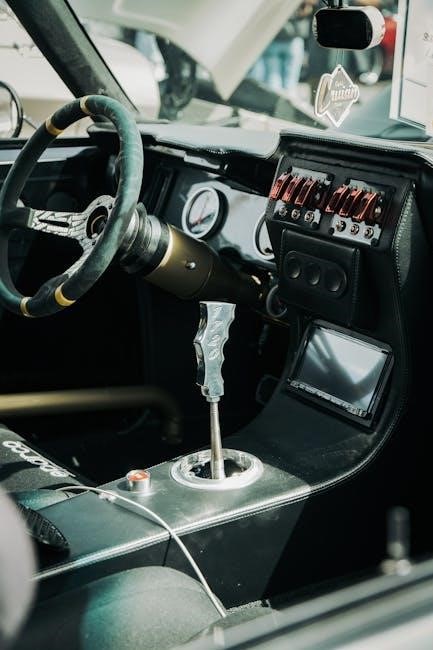
Furthermore, the system should incorporate fail-safes that detect anomalies – such as a malfunctioning clutch actuator or erratic sensor readings – and automatically disengage the automatic start. A clear visual and audible alert should accompany any emergency stop activation, informing the driver of the situation. Redundancy is key; multiple layers of protection ensure that even if one safety feature fails, others remain operational, prioritizing vehicle and occupant safety above all else. Regular diagnostic checks are vital to confirm the functionality of these critical systems.
Rollaway Prevention Systems
Given the inherent risk of unintended movement with an automated starting system on a manual transmission, sophisticated rollaway prevention is crucial. This extends beyond a simple hill-hold function. The system must actively monitor the vehicle’s slope and automatically apply the brakes if the parking brake isn’t engaged or if the system detects an attempt to start on a significant incline without proper brake application.
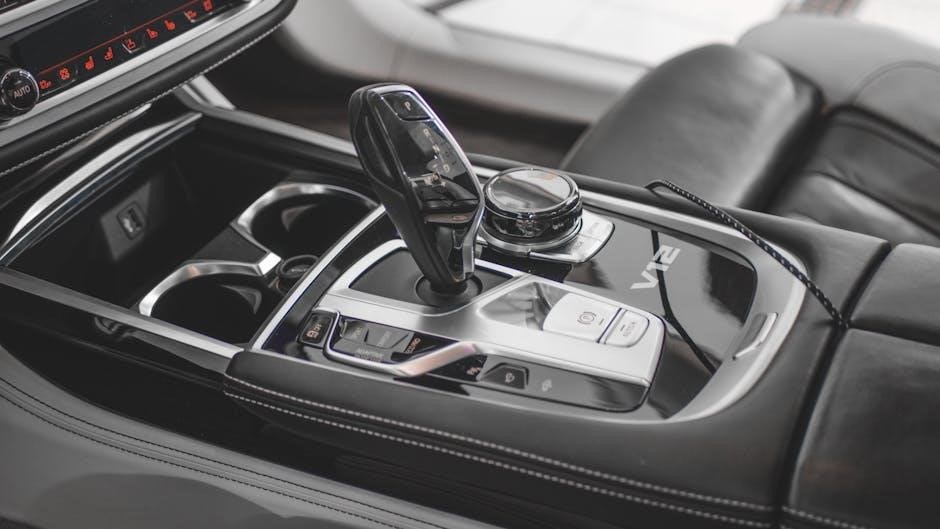
Integration with the vehicle’s existing stability control system is essential, allowing for precise brake modulation to counteract any tendency for the vehicle to roll. Furthermore, the system should feature a ‘creep’ limitation, preventing excessive slow movement even with the clutch partially engaged during automated starts. A warning system should alert the driver if the system detects a potential rollaway scenario, providing an opportunity for manual intervention. Regular self-tests of the rollaway prevention system are vital for ensuring reliability.
System Diagnostics and Error Handling
A robust diagnostic system is paramount for an automatic start system on a manual transmission. The ECU must continuously monitor all components – clutch actuator, sensors, wiring, and safety interlocks – for faults. Detailed error codes should be generated and stored, accessible via a standard OBD-II port for easy technician diagnosis.
The system should implement a tiered error handling approach. Minor faults, like temporary sensor glitches, might trigger a warning light, allowing continued operation with reduced functionality. Critical errors, such as clutch actuator failure or safety interlock compromise, should immediately disable the automatic start function and potentially limit vehicle speed. A clear, user-friendly interface, perhaps integrated into the vehicle’s infotainment system, should display error messages and recommended actions. Regular self-tests and logging of system parameters are crucial for preventative maintenance.
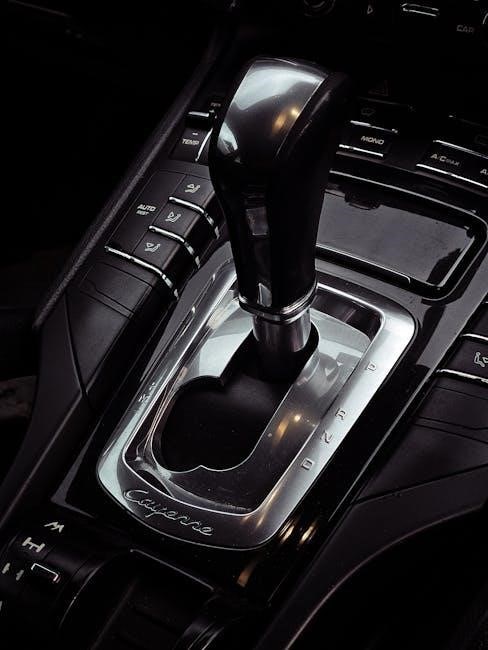
Troubleshooting Common Issues
Diagnosing problems requires a systematic approach, checking for electrical faults, actuator responsiveness, and ECU communication errors to restore seamless automatic starting functionality.
System Fails to Engage
If the automatic start system doesn’t initiate, begin with the basics: verify the vehicle is in neutral and the parking brake is firmly engaged. A common culprit is a faulty neutral safety switch, preventing operation for safety reasons. Inspect the system’s fuses and relays, replacing any blown or damaged components.
Next, examine the wiring harness for loose connections or corrosion, particularly around the clutch actuator and ECU. Utilize a multimeter to confirm voltage is reaching the actuator and control module. If the ECU isn’t receiving power or communication signals, further investigation into the wiring and ECU itself is necessary.
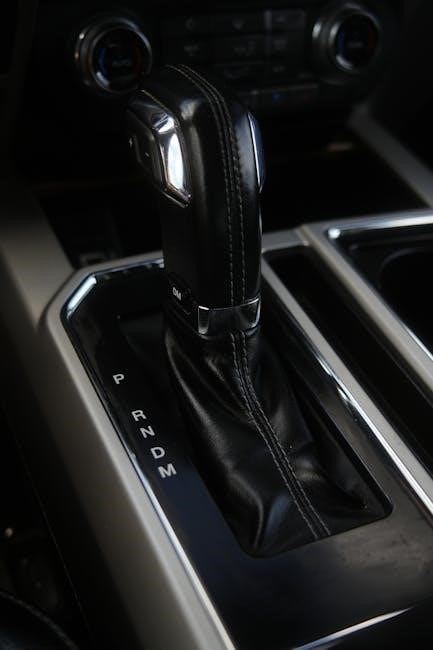
Consider diagnostic trouble codes (DTCs) retrieved via an OBD-II scanner; these can pinpoint specific sensor failures or communication issues. A failing clutch actuator can also prevent engagement, requiring testing of its motor and associated linkages. Finally, ensure the ECU software is up-to-date, as outdated programming can sometimes cause compatibility problems.
Rough or Jerky Starts
Experiencing rough or jerky starts after installing an automatic start system often indicates calibration issues within the ECU. The system may not be smoothly modulating the clutch engagement, leading to a noticeable jolt. Begin by revisiting the ECU programming and refining the clutch release and engagement points.
Inspect the clutch actuator for any binding or resistance in its movement; lubrication may be required. A worn or damaged clutch disc can exacerbate these issues, manifesting as shuddering during automated starts. Ensure the system is correctly configured for the vehicle’s specific clutch characteristics.
Check for any error codes related to the clutch position sensor or actuator. A failing sensor can provide inaccurate data to the ECU, resulting in improper clutch control. Finally, verify the system’s software is compatible with all vehicle components, and consider a professional recalibration if problems persist.
Clutch Actuator Malfunctions
If the clutch actuator fails, the automatic start system will predictably cease to function correctly. Common malfunctions include motor failure within the actuator itself, or issues with the actuator’s linkage. Listen for unusual noises during operation – grinding or clicking sounds often signal impending failure.
Inspect the actuator’s wiring harness for damage, corrosion, or loose connections. A faulty connection can interrupt power or signal transmission. Check the actuator’s range of motion; restricted movement indicates a mechanical problem. Consider testing the actuator’s motor independently to confirm its functionality.
Replacement of the actuator is often necessary in cases of significant malfunction. Ensure the replacement unit is compatible with the vehicle and the automatic start system. Following installation, recalibrate the system to recognize the new actuator’s parameters and ensure smooth operation.
ECU Communication Errors
Problems with communication between the Engine Control Unit (ECU) and other system components are a frequent cause of automatic start failures. These errors can manifest as a complete system shutdown or intermittent operational issues. Diagnostic tools are crucial for identifying the specific error codes generated by the ECU.
Check the wiring harness connecting the ECU to the clutch actuator, sensors, and other relevant modules for breaks, shorts, or corrosion. A poor ground connection can also disrupt communication. Verify the ECU is receiving adequate power; voltage fluctuations can cause errors.
Software glitches within the ECU itself can sometimes occur, necessitating a firmware update or re-flash. Ensure the ECU software is the latest compatible version. If the problem persists, the ECU itself may be faulty and require replacement or professional reprogramming.