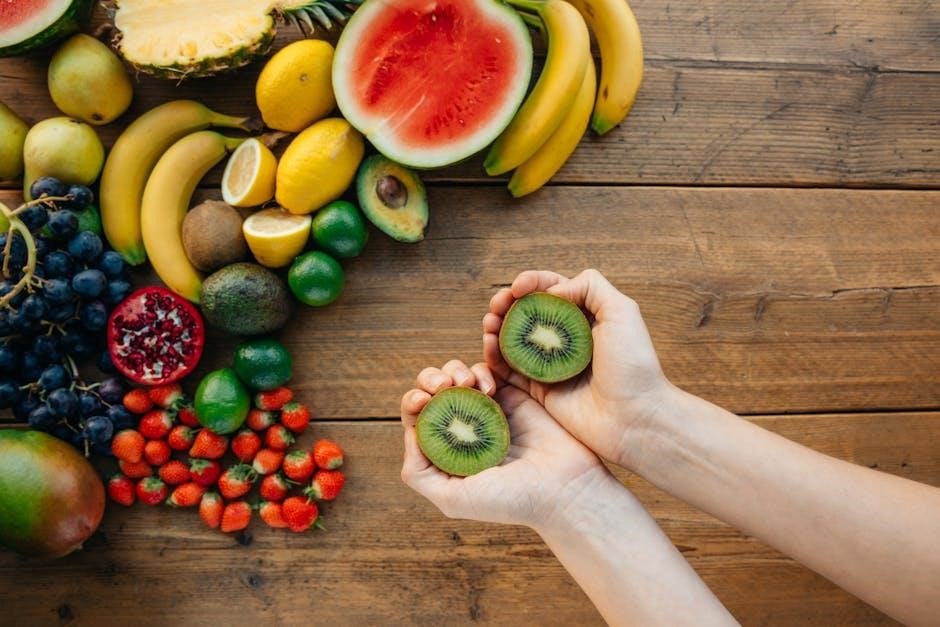
nutrient dense foods chart pdf
Understanding Nutrient Density & Food Charts
Nutrient density charts, often available as PDF documents, evaluate food’s nutritional value per calorie․
These charts, like the ANDI score, help prioritize foods rich in vitamins, minerals, and phytonutrients․
Understanding these charts empowers informed dietary choices for optimal health and disease prevention, as highlighted by the CDC․
What is Nutrient Density?
Nutrient density refers to the concentration of beneficial nutrients – vitamins, minerals, antioxidants, and fiber – in a food relative to its calorie content․ Essentially, it’s a measure of how much nutritional “bang” you get for your caloric “buck․” A nutrient-dense foods chart PDF visually represents this concept, allowing for easy comparison of different foods․
Foods with high nutrient density provide a substantial amount of nutrients with relatively few calories, supporting optimal health․ Conversely, foods with low nutrient density (often processed foods) offer minimal nutrients but are high in calories․ The CDC’s work on powerhouse fruits and vegetables exemplifies this, highlighting foods associated with reduced disease risk․
Calculating nutrient density often involves assessing the amount of 17 key nutrients per 100 grams of food, as demonstrated in research cited by the CDC․ Tools like the Aggregate Nutrient Density Index (ANDI), frequently found in PDF chart formats, provide a standardized scoring system to quantify nutrient density, aiding in informed food choices․
Why Nutrient Density Matters for Health
Prioritizing nutrient density, aided by a nutrient-dense foods chart PDF, is crucial for overall well-being․ Consuming nutrient-rich foods supports vital bodily functions, boosts immunity, and reduces the risk of chronic diseases․ The CDC emphasizes this connection, particularly with powerhouse fruits and vegetables linked to lower risks of cardiovascular disease and neurodegenerative illnesses․
A diet focused on nutrient density helps maintain a healthy weight, as these foods are often more filling and require smaller portion sizes․ Utilizing a PDF chart allows for quick identification of foods offering maximum nutritional benefit․ Dr․ Fuhrman advocates for increasing servings of leafy greens and cruciferous vegetables, highlighting their exceptional nutrient profiles․
Conversely, a diet lacking in nutrient density can lead to deficiencies, weakened immunity, and increased susceptibility to illness․ Accessing and interpreting a nutrient density chart empowers individuals to make informed choices, optimizing their health through strategic food selection, as demonstrated by resources available online and in PDF format․

Key Nutrients to Consider in a Chart
Nutrient density charts, often in PDF format, should assess macronutrients (protein, fats, carbs) and micronutrients (vitamins, minerals)․
Phytonutrients, vital for health, are also key, as highlighted by DrFuhrman․com․
Macronutrients: Protein, Fats, and Carbohydrates
When evaluating foods via a nutrient density chart – frequently found as a PDF – assessing macronutrient profiles is crucial․ Protein is essential for tissue repair and building, so charts should reflect protein content per calorie․
Fats, while calorie-dense, aren’t inherently bad; charts should differentiate between healthy fats (omega-3s, monounsaturated) and less beneficial ones․ The quality of fat sources matters significantly for overall health․
Carbohydrates require careful consideration․ A good chart will distinguish between complex carbohydrates (fiber-rich vegetables, legumes) and simple sugars․ Fiber contributes to satiety and gut health, boosting a food’s nutrient density score․
The ANDI score, and similar methods, often factor in the balance of these macronutrients․ A chart displaying macronutrient ratios per 100g allows for direct comparison․ Understanding these ratios, alongside micronutrient content, is key to making informed dietary choices, as emphasized by resources like DrFuhrman․com․ Prioritizing foods with favorable macronutrient profiles is a cornerstone of a nutrient-dense diet․
Micronutrients: Vitamins and Minerals
A comprehensive nutrient density chart, often available in PDF format, meticulously details a food’s vitamin and mineral content․ These micronutrients are vital for countless bodily functions, despite being required in smaller quantities than macronutrients․
Charts should ideally list a wide range of vitamins (A, C, D, E, K, B-complex) and minerals (calcium, iron, magnesium, potassium, zinc)․ The CDC’s work on powerhouse fruits and vegetables highlights the importance of foods rich in these compounds․
The ANDI score heavily emphasizes micronutrient density․ Foods like liver and leafy greens score highly due to their exceptional vitamin and mineral profiles․ A well-designed chart will present this data clearly, perhaps per 100g serving․
When interpreting a PDF chart, consider bioavailability – how well the body can absorb these nutrients․ Resources like DrFuhrman․com advocate for maximizing micronutrient intake through diverse, whole foods․ Prioritizing foods abundant in essential vitamins and minerals is fundamental to a nutrient-dense dietary approach․
Phytonutrients: Beneficial Plant Compounds
Nutrient density charts, particularly those in PDF format, increasingly recognize the significance of phytonutrients – naturally occurring compounds in plants with health-promoting properties․ These aren’t traditional ‘nutrients’ like vitamins, but contribute powerfully to well-being․
The CDC’s research on powerhouse fruits and vegetables emphasizes the role of phytonutrients in reducing risks of chronic diseases like cardiovascular issues and neurodegenerative conditions․ Berries and allium vegetables are prime examples․
A robust chart will indicate the presence of various phytonutrient classes: flavonoids, carotenoids, polyphenols, and glucosinolates․ While quantifying all phytonutrients is complex, charts may highlight key compounds․
DrFuhrman․com stresses the importance of a variety of plant foods to maximize phytonutrient diversity․ The ANDI score, while primarily focused on vitamins and minerals, indirectly rewards foods rich in these beneficial plant compounds․ When reviewing a PDF, look beyond basic nutrient lists to appreciate the phytonutrient potential of each food․

Creating a Nutrient-Dense Foods Chart (PDF Focus)
PDF charts require reliable data sources, like the CDC’s nutrient databases, for accurate information․
Utilizing the ANDI score or similar methods helps quantify nutrient density for easy comparison․
Careful calculation ensures a useful, informative chart․
Data Sources for Nutrient Information
Creating a robust nutrient-dense foods chart, particularly in PDF format, hinges on sourcing accurate and comprehensive nutritional data․ Several reputable databases serve as excellent foundations for this process․ The USDA FoodData Central database is a primary resource, offering detailed information on the nutrient content of a vast array of foods, including macronutrients, micronutrients, and phytonutrients․
The CDC’s research on powerhouse fruits and vegetables highlights the importance of specific nutrient profiles, informing which data points are crucial to include․ Additionally, resources like the National Institutes of Health (NIH) provide in-depth information on vitamins and minerals․ When compiling data, it’s vital to specify whether nutrient values represent raw or cooked forms, as preparation methods significantly impact content, as noted in the CDC’s findings․
For the ANDI score specifically, Darmon et al’s methodology provides a clear framework for data collection and scoring․ Utilizing these established sources ensures the reliability and validity of your nutrient density chart, making it a valuable tool for informed dietary choices․
The ANDI Score (Aggregate Nutrient Density Index)
Developed by Dr․ Joel Fuhrman, the ANDI score is a scientifically derived metric for evaluating the nutrient density of foods, frequently utilized in PDF-based charts․ It assigns a score out of 1000 based on a food’s concentration of 34 different nutrients per calorie․ These nutrients encompass vitamins, minerals, antioxidants, and phytonutrients – factors crucial for optimal health․
The ANDI methodology, as outlined by Darmon et al, prioritizes foods delivering the most nutrients for the fewest calories․ This approach aligns with the CDC’s emphasis on powerhouse fruits and vegetables, recognizing their exceptional nutrient profiles․ Foods like leafy greens and cruciferous vegetables consistently rank high due to their abundance of vitamins and minerals․
While incredibly useful, it’s important to acknowledge potential limitations; for example, liver’s high vitamin A content can inflate its score․ Nevertheless, the ANDI score provides a valuable framework for comparing foods and making informed dietary choices, as demonstrated in visualizations shared on platforms like Reddit’s r/dataisbeautiful․
Calculating Nutrient Density Scores
Calculating nutrient density scores, often presented within PDF charts, involves a systematic evaluation of a food’s nutritional content relative to its caloric value․ The method, popularized by Dr․ Fuhrman’s ANDI score, typically begins with gathering data on the amounts of key nutrients – vitamins, minerals, and phytonutrients – per 100 grams of food․ This data is sourced from reliable databases, ensuring accuracy․
Next, a weighting system is applied, assigning importance to each nutrient based on its contribution to human health․ The weighted nutrient values are then summed, and this total is divided by the food’s caloric content․ This yields a nutrient density score, allowing for direct comparison between different foods․
As highlighted by the CDC’s research, preparation methods can alter nutrient content, so raw food data is preferred․ While complex, these calculations, often pre-computed in PDF charts, empower consumers to prioritize nutrient-rich choices, aligning with recommendations for increased consumption of leafy greens and berries․

Top Nutrient-Dense Foods – Chart Categories
PDF charts categorize nutrient-dense foods into groups like vegetables (leafy greens, cruciferous), fruits (berries), proteins (organ meats), and seeds & nuts․
These classifications aid in building a varied, nutrient-rich diet․
Vegetables: Leafy Greens & Cruciferous Varieties
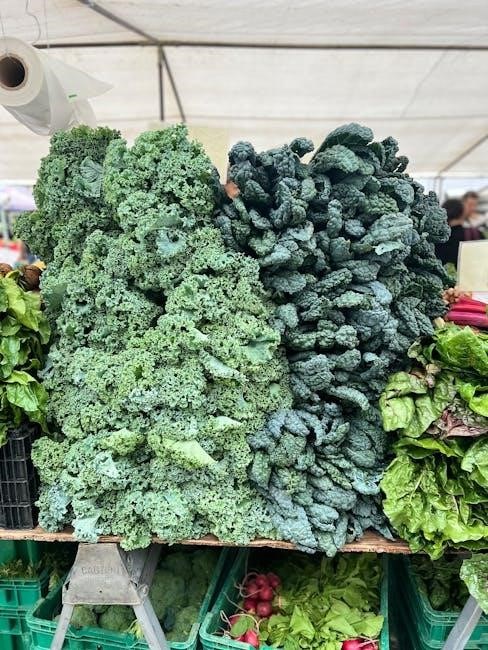
Leafy greens, such as kale, spinach, and collard greens, consistently rank high on nutrient density charts, often in PDF format, due to their exceptional vitamin and mineral content․ These vegetables are powerhouses of nutrients, offering substantial benefits per calorie․
Cruciferous vegetables – including broccoli, Brussels sprouts, and cabbage – also demonstrate remarkable nutrient density․ The CDC highlights their association with reduced risks of chronic diseases like cardiovascular issues and certain cancers․
PDF charts often utilize the ANDI score to quantify this density, showcasing how these vegetables provide a wide array of essential nutrients․ DrFuhrman․com emphasizes increasing daily servings of these varieties for optimal health․ These charts help visualize the nutritional superiority of these vegetable categories, guiding consumers towards healthier choices․ They are foundational components of a nutrient-rich diet, offering a diverse range of micronutrients and phytonutrients․
When reviewing a nutrient density chart, pay attention to serving sizes to accurately assess intake and maximize the benefits of these vegetable powerhouses․
Fruits: Berries & Other High-Nutrient Options
Berries – including blueberries, raspberries, and strawberries – consistently appear as top performers on nutrient density charts, frequently available as PDF downloads․ Their vibrant colors signal a wealth of antioxidants and beneficial plant compounds, contributing to a high ANDI score․

While some fruits like apples and bananas are noted as lower in nutrient density (as referenced in online discussions), berries stand out for their concentrated nutritional value․ These PDF charts often compare nutrient profiles per 100g, highlighting the superiority of berries;
Beyond berries, other high-nutrient fruit options include citrus fruits and certain stone fruits․ DrFuhrman․com advocates for incorporating a variety of whole plant foods, including fruits, into a nutrient-dense diet․
Analyzing a nutrient density chart allows for informed choices, prioritizing fruits that deliver the most nutritional bang for your caloric buck․ Remember to consider serving sizes when interpreting the data presented in these PDF resources, maximizing the health benefits of your fruit intake․
Proteins: Organ Meats, Seafood & Legumes
When examining nutrient density charts – often found in PDF format – protein sources reveal significant variations․ Organ meats, particularly liver, consistently rank exceptionally high, though some note the ANDI score may be inflated by Vitamin A content․ These charts showcase their unparalleled concentration of vitamins and minerals․
Seafood, including fatty fish like salmon, also demonstrates high nutrient density, providing essential omega-3 fatty acids alongside protein․ PDF resources often detail the micronutrient profiles of different fish species․
Legumes, such as beans and lentils, offer a plant-based protein source with a respectable nutrient density․ DrFuhrman․com emphasizes their inclusion in a whole-food, plant-rich diet․
Comparing these protein sources on a nutrient density chart helps prioritize options that contribute most to overall health․ These PDF charts allow for informed decisions, balancing protein intake with optimal nutritional value, moving beyond simply calorie or macronutrient counts․
Seeds & Nuts: Small Packages, Big Nutrition

Nutrient density charts, frequently available as PDF downloads, highlight the impressive nutritional punch packed into seeds and nuts․ Despite their calorie density, these foods excel in providing essential fats, vitamins, and minerals․
Charts utilizing the ANDI score often position seeds like flax and chia high on the list, due to their omega-3 fatty acid content, fiber, and micronutrient profile․ Various PDF resources detail the specific nutrient composition of different seed varieties․
Nuts, such as walnuts and almonds, also demonstrate significant nutrient density, offering vitamin E, magnesium, and healthy fats․ Comparing different nuts on a chart reveals nuanced differences․
DrFuhrman․com advocates for including a variety of seeds and nuts as part of a nutrient-rich diet․ Utilizing a nutrient density chart in PDF format allows for informed portion control, maximizing nutritional benefits while managing calorie intake․ These small additions contribute significantly to overall health․

Interpreting a Nutrient-Dense Foods Chart
PDF charts reveal food scores; higher values indicate greater nutrient density․ Consider serving sizes when comparing foods, as highlighted in DrFuhrman․com resources․
Understand limitations, as charts aren’t perfect․
Understanding Serving Sizes
Nutrient-dense foods chart PDFs typically present data per 100g serving, but real-world consumption varies greatly․
It’s crucial to contextualize scores with typical serving sizes to accurately assess intake․
For example, a food with a high nutrient density score per 100g might not be as beneficial if consumed in small quantities․
DrFuhrman․com emphasizes adjusting scores based on actual portion sizes, recognizing that convenient measurements are guidelines, not rigid rules․
Consider a chart listing leafy greens; while scoring high, a small salad won’t deliver the same impact as a larger portion․
Conversely, a food with a moderate score, consumed in substantial amounts, can contribute significantly to overall nutrient intake․
Therefore, interpreting a PDF chart effectively requires translating the per-100g data into realistic meal portions․
Always compare foods based on the amount you realistically eat, not just the inherent density score․
This nuanced approach ensures you’re maximizing nutritional benefits from your diet․
Comparing Foods Based on Scores
Nutrient-dense foods chart PDFs facilitate direct comparison of nutritional value using scores like the ANDI․
Higher scores generally indicate a greater concentration of nutrients per calorie, aiding in prioritizing food choices․
However, simply selecting the highest-scoring foods isn’t always optimal; consider dietary diversity and personal preferences․
The CDC’s research on powerhouse fruits and vegetables highlights the importance of variety, even within nutrient-dense categories․
Comparing scores helps identify substitutions – swapping lower-scoring options for higher ones within a meal․
For instance, replacing potatoes with leafy greens, as suggested by various sources, boosts nutrient intake․
Reddit’s r/dataisbeautiful showcases visualizations aiding this comparison, though acknowledging potential score biases (e․g․, Vitamin A in liver)․
Remember, scores are tools, not absolute rules; contextualize them with individual needs and overall dietary patterns․
Utilize PDF charts to make informed swaps and build a more nutrient-rich diet, focusing on balance and enjoyment․
Limitations of Nutrient Density Charts
While nutrient-dense foods chart PDFs are valuable, they possess inherent limitations․
The ANDI score, for example, may overemphasize certain nutrients, like Vitamin A in liver, potentially skewing results․
Charts typically use raw food data; preparation methods significantly alter nutrient content, a point noted by the CDC․
Individual nutrient needs vary based on age, activity level, and health status, which charts don’t account for․
Focusing solely on scores can neglect the importance of macronutrient balance and overall caloric intake․
PDF charts often lack information on bioavailability – how well the body absorbs nutrients․
Data sources and methodologies differ, leading to variations between charts and potential inaccuracies․
Reddit discussions highlight that aesthetics in visualizations shouldn’t overshadow data integrity and context․
Charts don’t capture synergistic effects – how nutrients interact to enhance health benefits․
Therefore, use PDF charts as a guide, not a rigid prescription, integrating them with broader nutritional knowledge and personalized dietary considerations․

Finding & Utilizing Nutrient Density Charts in PDF Format
PDF charts from sources like DrFuhrman․com and the CDC offer valuable insights․
Customize these charts based on individual dietary needs and preferences for optimal health benefits․
Utilize them as a guide alongside broader nutritional knowledge․
Reliable Sources for PDF Charts
DrFuhrman․com stands out as a premier resource, offering detailed Aggregate Nutrient Density Index (ANDI) scores in easily accessible formats, often including PDF charts․ These charts categorize foods based on nutrient richness, providing a practical tool for dietary planning․
The Centers for Disease Control and Prevention (CDC) provides research and reports, such as “Defining Powerhouse Fruits and Vegetables: A Nutrient Density Approach,” which, while not always directly a PDF chart, offers the foundational data and methodology for understanding nutrient density․ This information can be used to create personalized charts․
Reddit’s r/dataisbeautiful occasionally features user-created visualizations of nutrient density data, though verifying the source and methodology is crucial․ These visualizations can inspire further research and understanding․
Government nutritional databases, like those from the USDA, are excellent sources of raw data that can be compiled into custom PDF charts․ Remember to prioritize sources with transparent methodologies and regularly updated information to ensure accuracy and relevance․
Always cross-reference information from multiple sources to gain a comprehensive understanding of a food’s nutrient profile․
Customizing Charts for Dietary Needs
Pre-made nutrient density charts (PDF) often serve as excellent starting points, but personalization is key for individual dietary requirements․ Consider allergies, intolerances, or specific health goals when adapting these charts․
For example, someone following a plant-based diet might prioritize charts focusing on fruits, vegetables, legumes, and seeds, adjusting serving sizes based on their caloric needs․ Individuals with iron deficiency could emphasize foods high in iron, even if their overall ANDI score is slightly lower․
You can modify existing PDF charts using spreadsheet software, adding or removing foods, and recalculating scores based on your chosen nutrient priorities․ DrFuhrman․com suggests focusing on both density and diversity․
Remember that nutrient needs vary based on age, sex, activity level, and health status․ Consulting a registered dietitian can provide tailored guidance for creating a truly customized nutrient-dense food chart․
Ultimately, a personalized chart empowers you to make informed food choices aligned with your unique health journey․